Mold in Florida Winters in Canaveral Groves: What Cocoa Area Property Owners Should Know
When most people think of mold in Florida, they picture summer heat and afternoon storms. But for homeowners in Canaveral Groves, winter can be just as risky—sometimes more so. Cooler temperatures, reduced HVAC use, and condensation create quiet conditions where mold can grow unnoticed.
If you own property in Canaveral Groves or the surrounding Cocoa area, here’s why winter mold happens, where it hides, and how to stay ahead of it.
❄️ Why Winter Mold Happens in Florida (Yes, Really)
Florida winters don’t eliminate humidity—they change how moisture behaves inside homes.
Key winter triggers include:
- Cooler indoor surfaces that cause condensation
- Less frequent AC cycling, reducing dehumidification
- Closed windows and doors, limiting airflow
- Seasonal or part-time occupancy, allowing humidity to build
- Warm, humid air mixing with cool nights, especially after fronts pass
The result? Moisture forms quietly on walls, inside closets, and around HVAC components—perfect for mold growth.
🏠 Common Winter Mold Hotspots in Canaveral Groves Homes
Professional inspections during winter frequently uncover mold in:
- Closets and storage rooms with limited airflow
- Behind furniture placed on exterior walls
- Bathrooms used without exhaust fans
- HVAC air handlers and drain pans
- Under windows and around sliders
- Spare bedrooms kept closed during cooler months
These areas often look clean while moisture accumulates behind the scenes.
⚠️ Why Winter Mold Is Easy to Miss
Winter mold problems are subtle because:
- There’s no obvious leak or flooding
- Musty odors come and go with temperature swings
- Stains develop slowly
- Symptoms are blamed on “seasonal allergies”
Many homeowners don’t realize there’s a problem until spring inspections—or until odors linger.
🧠 Health Symptoms That Appear in Winter
Indoor mold exposure during winter can trigger:
- Sinus congestion
- Persistent coughing or throat irritation
- Headaches and fatigue
- Asthma flare-ups
Because homes are sealed up more tightly in winter, indoor air quality issues are often amplified.
🛠️ Why Professional Inspections Matter in Winter
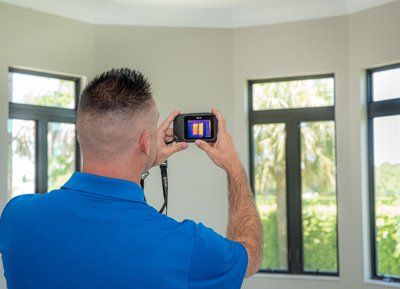
Visual checks often miss winter-related mold. Professional inspections help by:
- Measuring moisture inside walls and materials
- Identifying condensation patterns
- Evaluating HVAC systems that circulate spores
- Detecting early growth before spring humidity accelerates it
Winter inspections are especially useful for catching problems early—before peak mold season.
💧 Winter Moisture Control: What Actually Works
Preventing winter mold in Canaveral Groves is about managing condensation, not just cleaning.
Best practices include:
- Keeping indoor humidity below 50%
- Running HVAC systems regularly (don’t shut them off)
- Using dehumidifiers during cooler spells
- Running bathroom exhaust fans during showers
- Improving airflow in closets and spare rooms
- Wiping condensation from windows and sills promptly
Even small adjustments can make a big difference.
🧼 Why Winter DIY Fixes Often Fail
Common winter mistakes:
- Painting over small stains
- Using bleach on visible spots
- Ignoring closets and closed rooms
- Assuming mold “can’t grow in winter”
These approaches may hide symptoms but don’t address condensation or trapped moisture—so mold returns when humidity rises again.
Professional remediation focuses on:
- Removing contaminated materials
- Correcting moisture sources
- Preventing spore spread
- Verifying success after cleanup
🏡 Extra Risk for Seasonal or Vacant Homes
Homes that sit empty during winter are especially vulnerable because:
- HVAC systems are turned off or set too high
- Air circulation drops
- Humidity builds unnoticed
Even a few weeks of poor humidity control can allow mold to start growing.
💸 How Winter Mold Affects Property Value
Undetected winter mold can lead to:
- Inspection issues during spring sales
- Buyer hesitation or price reductions
- Insurance complications
- Disclosure and liability concerns
Homes with documented inspections and moisture control fare much better in Brevard County’s market.
✅ Winter Mold Prevention Checklist for Canaveral Groves
✔ Run HVAC systems consistently
✔ Keep indoor humidity below 50%
✔ Vent bathrooms and kitchens properly
✔ Improve airflow in closets and spare rooms
✔ Watch for condensation on windows and walls
✔ Schedule a professional inspection if odors or symptoms appear
Prevention during winter helps avoid bigger problems later.
🧠 Final Thoughts for Cocoa Area Property Owners
In Canaveral Groves, Florida winter doesn’t stop mold—it just changes how it grows. Condensation, reduced airflow, and sealed homes create quiet conditions where mold can develop unnoticed.
The homeowners who avoid winter mold problems are the ones who:
✔ Control humidity year-round
✔ Maintain airflow even in cooler months
✔ Catch moisture issues early
✔ Use professional inspections proactively
Handled correctly, winter doesn’t have to be a mold season. Ignored, it often sets the stage for bigger problems in spring and summer.
For Canaveral Groves and the surrounding Cocoa area, understanding winter mold risks is an essential part of protecting your home, health, and investment.
If you’d like, I can also create a Canaveral Groves winter mold prevention checklist you can use each year.