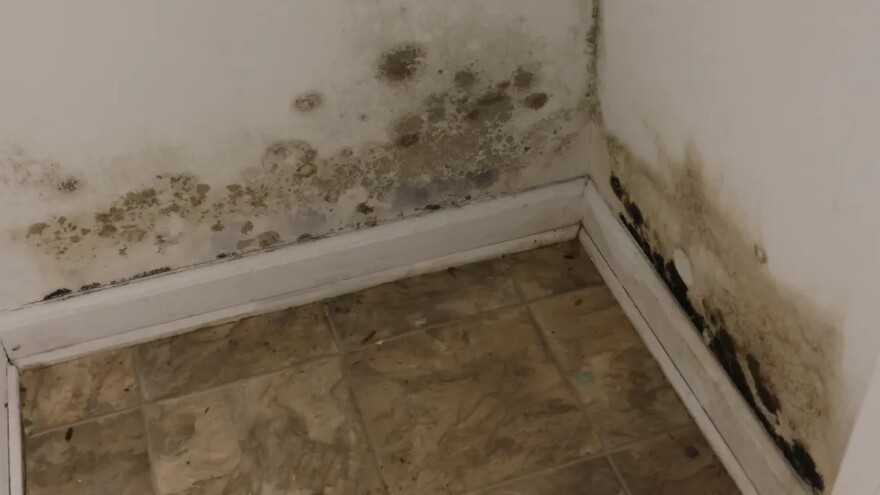
Mold in Condos in West Cocoa: What Cocoa Area Property Owners Should Know
Condo living in West Cocoa offers convenience, shared amenities, and lower exterior maintenance—but it also comes with unique mold risks that many owners don’t anticipate. Unlike single-family homes, condos share walls, ceilings, plumbing lines, and ventilation systems. That means moisture problems don’t always start—or stop—within one unit. Mold in condos often develops quietly, spreads through shared spaces, and becomes noticeable only after odors, stains, or recurring issues appear.
In West Cocoa and throughout the Cocoa area, high humidity, frequent rain, slab construction, and constant AC use create ideal conditions for mold growth in condo buildings. Understanding how mold develops in condos, where it commonly hides, and what makes condo mold different from other residential mold issues is essential for protecting comfort, property value, and long-term maintenance.
This article explains the most common mold issues in West Cocoa condos, why they occur, and what property owners should know before problems escalate.
Why Condos in West Cocoa Are Prone to Mold
Condos combine multiple mold risk factors into one structure.
Common contributors include:
- Shared walls and ceilings
- Shared plumbing lines
- Central or stacked HVAC systems
- Limited airflow in certain units
- Slab foundations common in Florida condos
When moisture enters a condo building, it often affects multiple units, even if only one owner notices symptoms at first.
Shared Walls and Hidden Mold Growth
One of the biggest challenges in condos is shared wall construction.
Mold may develop:
- Inside walls shared with neighboring units
- Around plumbing lines that serve multiple condos
- Along exterior walls exposed to rain and humidity
Because wall cavities connect units, mold growth in one condo can affect air quality and odors in another.
Plumbing Leaks That Affect Multiple Units
Plumbing leaks are a leading cause of condo mold.
Leaks may occur:
- In units above or below
- Inside shared risers or chases
- Behind walls that serve multiple units
Water doesn’t respect unit boundaries. A leak in another unit can introduce moisture into your walls, ceilings, or floors without obvious signs at first.
Ceiling Mold From Upstairs Leaks
Ceiling mold is a common complaint in West Cocoa condos.
This often results from:
- Bathroom or kitchen leaks above
- Overflowing tubs or appliances
- Slow plumbing leaks
By the time stains or mold appear on the ceiling, moisture has usually been present for some time.
HVAC Systems and Condo Mold
HVAC design plays a major role in condo mold issues.
Common problems include:
- Individual air handlers with poor drainage
- Shared ventilation shafts
- Condensation buildup in ductwork
- Inadequate dehumidification
Because condos are tightly sealed, humidity can build up quickly if HVAC systems don’t remove moisture efficiently.
Why Mold Odors Are Common in Condos
Many condo owners first notice mold by smell, not sight.
Musty odors may:
- Travel through shared walls
- Move via ductwork
- Appear stronger when the AC runs
- Be noticeable only at certain times
Odors often indicate hidden mold in shared spaces, not just inside the visible living area.
Balconies, Sliding Doors, and Exterior Moisture
Balconies and sliding glass doors are frequent moisture entry points.
Problems include:
- Poor drainage on balconies
- Failing seals around doors
- Wind-driven rain intrusion
Moisture entering at these points can soak into flooring and walls, leading to mold growth that spreads inward.
Slab Foundations and Condo Mold
Most condos in West Cocoa are built on slab foundations, which influence moisture behavior.
Slabs can:
- Release moisture upward
- Increase humidity near lower units
- Contribute to mold under flooring
Ground-floor condos often experience higher mold risk due to slab moisture and limited airflow.
Closets and Interior Rooms
Closets and interior rooms without windows are common mold locations.
Reasons include:
- Poor airflow
- Trapped humidity
- Exterior wall exposure
Closet mold is often discovered late, after odors or damage to stored items appear.
Why Mold Often Appears Long After a Water Event
Condo mold problems often surface weeks or months after the original moisture event.
This happens because:
- Water travels through shared spaces
- Materials dry slowly in enclosed walls
- Florida humidity keeps moisture active
By the time mold is visible, the original leak may already be repaired—or forgotten.
HOA Responsibilities vs. Unit Owner Concerns
One of the most confusing aspects of condo mold is responsibility.
While this article avoids legal advice, it’s important to understand:
- HOAs often manage common elements
- Unit owners are responsible for interior finishes
- Mold sources may involve both
Clear documentation and professional evaluation help clarify the scope of the problem.
Why DIY Mold Cleanup Rarely Works in Condos
DIY cleanup is especially risky in condos.
It often fails because:
- Mold may be coming from another unit
- Shared walls hide the real source
- Moisture conditions remain unchanged
Cleaning visible mold without addressing shared moisture almost always leads to recurrence.
When Mold Testing Is Considered in Condos
Testing can be useful in condo settings.
Testing may help when:
- Mold is suspected but not visible
- Odors persist without clear source
- Multiple units are involved
- Documentation is needed for HOA discussions
Testing is most effective when paired with moisture detection.
The Importance of Moisture Mapping
Moisture mapping is critical in condo buildings.
It helps:
- Identify moisture paths between units
- Locate hidden wet materials
- Prevent unnecessary demolition
Without moisture mapping, condo mold sources are often misidentified.
Why Local Condo Experience Matters
Condo mold issues require knowledge of:
- Local building designs
- Common HOA layouts
- Florida humidity patterns
- Shared system configurations
Many West Cocoa condo owners work with experienced local providers like Cocoa Mold Removal because condo mold problems require a different approach than single-family homes.
Preventing Mold in West Cocoa Condos
Prevention focuses on monitoring and communication.
Helpful steps include:
- Keeping indoor humidity below 55%
- Running AC consistently
- Reporting leaks immediately
- Monitoring balconies and sliding doors
- Improving airflow in closets
- Documenting odors or stains early
Early reporting helps limit shared damage.
Mold and Condo Property Value
Unresolved mold issues can affect:
- Condo inspections
- Buyer confidence
- HOA records
- Insurance discussions
Early evaluation protects both individual units and the building as a whole.
Monitoring Your Condo Over Time
Condo owners should:
- Pay attention to odors
- Watch for ceiling stains
- Monitor humidity levels
- Check after storms or plumbing repairs
- Communicate concerns early
Small issues escalate quickly in shared structures.
A Practical Takeaway for Property Owners
Mold in condos in West Cocoa is rarely confined to one visible spot. Shared walls, plumbing, and HVAC systems allow moisture—and mold—to spread quietly between units. In Brevard County’s humid climate, even small moisture issues can affect multiple condos before anyone realizes there’s a problem.
Property owners who focus on humidity control, early detection, moisture evaluation, and clear documentation are far more successful at preventing condo mold from becoming a recurring issue. In West Cocoa and throughout the Cocoa area, understanding how shared buildings handle moisture is the key to protecting comfort, property value, and peace of mind.