How Fast Mold Grows in Florida in Cocoa: What Cocoa Area Property Owners Should Know
One of the most common questions homeowners in Cocoa ask after discovering water damage or moisture problems is, “How fast can mold grow?” Many people assume mold takes weeks or months to develop, but in Florida’s climate, mold growth can begin much faster than expected.
Across Cocoa and nearby communities like Cocoa Beach, West Cocoa, Port St. John, Sharpes, and Canaveral Groves, mold inspections often reveal that growth started shortly after a leak or humidity event occurred. In many cases, homeowners didn’t even realize moisture was present until mold odors or stains appeared.
Understanding how quickly mold grows in Florida homes helps property owners act quickly after leaks or storms and prevent larger damage inside the home.
Why Mold Grows So Quickly in Florida
Florida’s climate creates nearly perfect conditions for mold growth. Mold spores are always present in the air, both outdoors and indoors. Under normal dry conditions, spores remain inactive and cause no problems.
Mold begins growing once three conditions are present:
- Moisture
- Warm temperatures
- Organic materials such as drywall, wood, or dust
Florida naturally supplies warm temperatures and humidity, meaning moisture is usually the only missing ingredient. Once moisture appears indoors, mold spores already present can begin growing.
Because Cocoa and surrounding Brevard County communities experience warm temperatures almost year-round, mold growth can begin faster here than in cooler climates.
How Quickly Mold Can Begin Growing
In ideal conditions, mold can begin developing within 24 to 48 hours after materials become wet. Sometimes growth begins even sooner when humidity is very high.
This means mold can start forming:
- After a roof leak during a storm
- After plumbing leaks under sinks or inside walls
- After flooding or water intrusion
- Around air conditioning condensation leaks
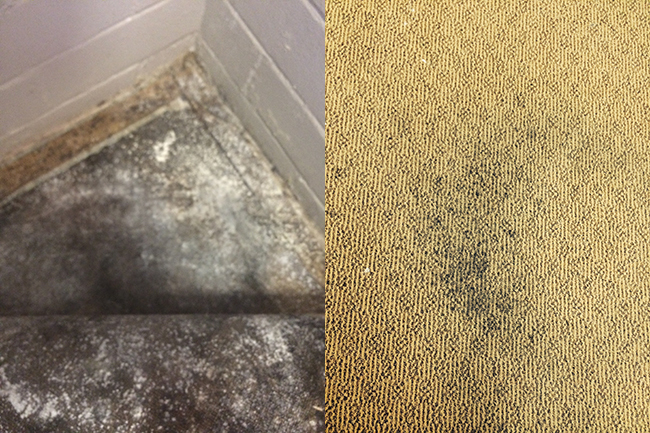
- Beneath wet carpets or flooring
- In attics with poor ventilation
If wet materials are not dried quickly, mold growth may continue spreading for days or weeks before becoming visible.
In many Cocoa-area homes, mold growth is already present by the time homeowners notice water damage.
Why Mold Growth Often Goes Unnoticed at First
Many homeowners expect mold to appear immediately as black or dark patches on walls or ceilings. In reality, mold often grows out of sight first.
Common hidden mold locations include:
- Behind drywall after leaks
- Beneath flooring materials
- Inside wall cavities
- Above ceilings
- Inside attics
- Under cabinets or appliances
- Inside closets or storage areas
Because mold often grows where it cannot be seen, homeowners may only notice:
- Musty odors
- Damp air
- Recurring humidity problems
- Stains appearing later
By the time mold becomes visible, it may have already spread behind surfaces.
Florida Humidity Speeds Mold Growth
Humidity plays a major role in mold development. In Cocoa and nearby coastal communities, humidity often remains high even indoors.
If indoor humidity rises above about 60%, materials can slowly absorb moisture even without leaks. Over time, this allows mold to grow in:
- Closets
- Storage rooms
- Garages
- Attics
- Laundry rooms
- Behind furniture
- Around exterior walls
Homes left closed during vacations or periods without proper AC operation sometimes develop mold simply from trapped humidity.
Humidity-related mold growth often surprises homeowners because no leak occurred.
Situations Where Mold Grows Especially Fast
Some conditions allow mold to spread faster than normal.
Flooding or Standing Water
Floodwater soaks materials quickly, and mold may begin developing within days if cleanup is delayed.
Wet Carpets and Padding
Carpet padding holds moisture, allowing mold to grow beneath flooring where it remains hidden.
Roof Leaks During Storm Season
Leaks sometimes continue unnoticed after storms, allowing moisture to remain in attics or ceilings.
Air Conditioning Condensation Problems
Clogged AC drain lines or leaking air handlers sometimes create ongoing damp areas.
Poor Ventilation in Bathrooms or Kitchens
Steam and humidity sometimes remain trapped, allowing mold growth.
Because Florida homes experience these situations regularly, fast mold growth is common locally.
Why Cleaning Alone Doesn’t Stop Fast Mold Growth
When homeowners discover mold quickly, they sometimes try cleaning visible areas immediately. While quick action helps, surface cleaning alone rarely solves the problem.
Common mistakes include:
- Cleaning visible mold but leaving wet materials behind
- Painting over water stains
- Using bleach on porous materials
- Installing new flooring without drying subfloors
If moisture remains inside materials, mold continues growing even after surfaces look clean.
Stopping mold growth requires drying affected materials and correcting moisture sources.
How Professionals Evaluate Mold Growth Speed
Professional mold inspections often reveal how quickly mold has developed.
A typical inspection includes:
Visual Examination
Inspectors check areas affected by moisture and nearby rooms.
Moisture Detection Equipment
Meters and thermal imaging help locate dampness hidden behind walls or floors.
Air Sampling When Necessary
Air tests sometimes reveal elevated mold levels when growth is hidden.
Surface Sampling if Needed
Samples confirm whether staining or spotting is mold.
Professionals familiar with Brevard County homes, including Cocoa Mold Removal, often recognize mold growth patterns quickly due to experience with local climate conditions.
How Fast Mold Can Spread Through a Home
Mold not only grows quickly but can also spread to other areas if moisture persists.
Spores travel through:
- Air circulation systems
- Foot traffic
- Clothing and belongings
- Cleaning activities
- Airflow between rooms
Once spores land on damp surfaces, new growth begins. This explains why mold sometimes appears in multiple rooms after a single moisture problem.
Steps Homeowners Should Take After Water Exposure
Quick action after leaks or flooding greatly reduces mold risk.
Helpful steps include:
- Stop the water source immediately
- Remove standing water quickly
- Dry wet materials within 24–48 hours if possible
- Use fans and dehumidifiers
- Remove soaked carpet or drywall when needed
- Inspect hidden areas for moisture
- Repair leaks promptly
Acting quickly often prevents mold from taking hold.
Preventing Fast Mold Growth in Cocoa Homes
Preventative maintenance helps slow or prevent mold growth.
Helpful prevention measures include:
- Maintain indoor humidity below 60% when possible
- Service air conditioning systems annually
- Clean AC drain lines regularly
- Inspect roofs after storms
- Repair plumbing leaks promptly
- Use bathroom and kitchen exhaust fans
- Improve attic ventilation
- Inspect closets and storage spaces periodically
- Avoid storing damp items indoors
Routine inspections help catch moisture problems early.
Why Local Experience Matters
Homes across Cocoa, Cocoa Beach, West Cocoa, Port St. John, Sharpes, and Canaveral Groves face moisture conditions unique to Florida’s climate. Professionals familiar with local construction and humidity patterns often diagnose mold growth faster than companies unfamiliar with the area.
Local experience helps ensure moisture problems are corrected properly rather than temporarily hidden.
A Calm Next Step for Property Owners
Mold can begin growing quickly in Florida homes, but most problems start small and can be corrected when moisture is addressed early. Acting quickly after leaks or storms helps prevent damage from spreading.
If you suspect moisture problems or notice musty odors after water exposure, a professional inspection can help determine whether mold growth has begun and what steps make sense next.
Homeowners in Cocoa who stay proactive about moisture control typically avoid major mold issues while keeping their homes comfortable year-round.