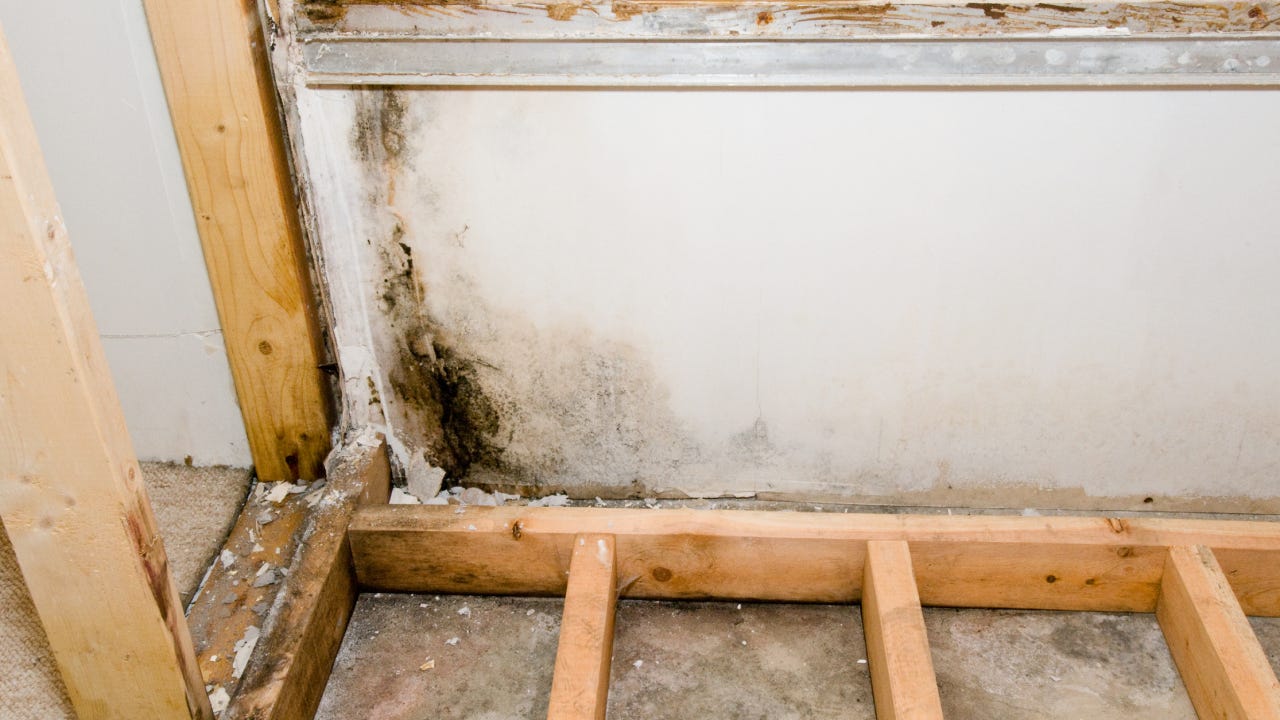
Mold and Insurance Claims in Sharpes: What Cocoa Area Property Owners Should Know
Mold and insurance claims can be a confusing combination for property owners in Sharpes. Many homeowners assume that if mold shows up, insurance will automatically cover it. Others are surprised to learn that mold coverage often depends less on the mold itself and more on how and why the moisture occurred in the first place.
In Sharpes and throughout Brevard County, mold claims are commonly tied to everyday issues like plumbing leaks, roof damage, HVAC condensation, or storm-related water intrusion. Florida’s humid climate adds another layer of complexity, because moisture can linger long after an event appears to be resolved. Understanding how mold and insurance claims typically intersect helps property owners make informed decisions, document issues properly, and avoid costly mistakes.
This article explains how mold insurance claims usually work in Sharpes, what triggers coverage concerns, where mold commonly develops, why claims are sometimes denied, and what Cocoa-area property owners should understand before, during, and after a potential claim.
Why Mold and Insurance Claims Are Common in Sharpes
Sharpes experiences the same moisture pressures as the rest of Brevard County.
Local factors include:
- High year-round humidity
- Heavy seasonal rain
- Storm and hurricane exposure
- Slab foundations common in residential construction
- Long cooling seasons with constant AC use
These conditions mean that water-related issues are common—and where moisture exists, mold often follows. Insurance claims typically arise not because of mold alone, but because mold is discovered after a water-related event.
Mold Itself Is Rarely the Starting Point of a Claim
One of the most important things property owners should understand is that insurance policies usually focus on the source of moisture, not the mold.
Claims are often associated with:
- Plumbing leaks
- Roof leaks
- Appliance failures
- Storm-related water intrusion
- Sudden water releases
Mold becomes part of the conversation because it develops after these events—not because it happened on its own.
Sudden vs. Ongoing Moisture: Why Timing Matters
Insurance claims often hinge on whether the moisture was sudden or ongoing.
Sudden events may include:
- A pipe that bursts
- A roof opening caused by a storm
- An appliance hose failure
Ongoing issues may include:
- Slow leaks
- Long-term condensation
- Chronic humidity problems
Mold that develops from long-term moisture is more likely to raise coverage questions than mold tied to a clearly defined event.
Common Situations That Lead to Mold Claims in Sharpes
Certain scenarios appear frequently in Sharpes mold-related claims.
Plumbing Leaks
Plumbing is one of the most common sources.
Mold often develops:
- Behind walls
- Under sinks
- Beneath flooring
- Inside cabinets
Slow leaks can go unnoticed for months, which complicates claim discussions.
Roof Leaks
Roof damage doesn’t always lead to immediate stains.
Mold may develop:
- In attics
- On roof decking
- Behind ceilings
Wind-driven rain during storms can introduce moisture without obvious damage.
HVAC and Condensation Issues
HVAC systems operate constantly in Florida.
Mold may develop:
- Inside air handlers
- In drain pans
- In ductwork
Condensation-related mold often raises questions about maintenance versus sudden failure.
Storm and Hurricane Moisture
Storms are a major trigger for claims.
Mold may develop:
- After roof or window intrusion
- From prolonged power outages
- From elevated indoor humidity
Mold often appears weeks after the storm, not immediately.
Slab-Related Moisture
Slab foundations play a role in Sharpes homes.
Mold may appear:
- Near baseboards
- Under flooring
- Behind lower walls
Slab moisture is often gradual, which affects how claims are evaluated.
Why Mold Is Often Discovered After Repairs
Many property owners don’t discover mold until after repairs are made.
This happens because:
- Moisture remains trapped behind materials
- Repairs focus on visible damage
- Drying is incomplete
- Humidity stays elevated
Mold discovered later can complicate the claim timeline.
Documentation Plays a Major Role in Mold Claims
Documentation is one of the most important factors in any mold-related claim.
Helpful documentation includes:
- Photos of water damage
- Dates when issues were discovered
- Repair invoices
- Moisture readings or inspection reports
- Records of mitigation efforts
Clear documentation helps show how and when moisture occurred.
Why Insurance Inspections Focus on Moisture, Not Just Mold
Insurance inspections typically look beyond visible mold.
They focus on:
- Moisture sources
- Evidence of long-term exposure
- Building materials affected
- Repair history
Mold is often treated as a result, not the primary issue.
Common Reasons Mold Claims Become Complicated
Mold claims can become difficult for several reasons.
Common challenges include:
- Delayed discovery
- Incomplete drying after water damage
- Lack of documentation
- Pre-existing moisture issues
- Confusion between maintenance and sudden damage
These factors often determine how the claim is evaluated.
Mold Testing and Insurance Claims
Mold testing is sometimes used during insurance discussions—but it’s not always necessary.
Testing may be helpful when:
- Mold is suspected but not visible
- The extent of mold is unclear
- Documentation is needed
- Multiple areas are affected
Testing alone doesn’t determine coverage, but it can support understanding the scope of the issue.
The Role of Professional Mold Evaluation
Professional evaluation often helps clarify mold-related situations.
Evaluation can:
- Identify moisture sources
- Determine whether mold is active or historical
- Document affected areas
- Help guide proper remediation
Many Sharpes property owners work with experienced local providers like Cocoa Mold Removal because insurance-related mold situations require clear, factual assessment—not assumptions.
Mold Remediation vs. Water Mitigation
These two processes are often confused.
Water mitigation focuses on:
- Drying materials
- Removing standing water
- Preventing further damage
Mold remediation focuses on:
- Addressing existing mold
- Removing affected materials
- Preventing regrowth
Both may be necessary depending on the situation.
Why DIY Cleanup Can Complicate Insurance Claims
DIY mold cleanup may seem helpful—but it can create challenges.
Problems include:
- Removal of evidence
- Incomplete drying
- Spreading mold spores
- Lack of documentation
Insurance discussions are often easier when conditions are properly evaluated before cleanup.
Mold Claims in Older vs. Newer Homes
Both older and newer homes in Sharpes can experience mold claims.
Older homes may face:
- Aging plumbing
- Less insulation
- Older ventilation designs
Newer homes may face:
- Tighter construction
- Reduced airflow
- Condensation issues
Construction style influences how moisture behaves and how mold develops.
How Moisture Control Affects Future Claims
Homes with unresolved moisture issues are more likely to face repeat problems.
Moisture control helps:
- Reduce mold risk
- Protect building materials
- Prevent future disputes
- Improve indoor comfort
Correcting moisture sources is often more important than addressing mold alone.
Preventing Mold-Related Insurance Issues
Prevention reduces both mold risk and claim complications.
Helpful steps include:
- Addressing leaks promptly
- Running AC consistently
- Monitoring indoor humidity
- Inspecting attics and HVAC systems
- Documenting maintenance and repairs
In Florida, proactive moisture management is essential.
Why Local Experience Matters in Insurance-Related Mold Issues
Mold behavior in Sharpes is shaped by:
- Brevard County humidity patterns
- Slab foundation moisture
- Coastal and inland weather influence
- Common construction styles
Local experience helps identify realistic causes and timelines.
Mold, Claims, and Property Value
Unresolved mold issues can affect:
- Property value
- Inspection outcomes
- Buyer confidence
- Long-term maintenance costs
Proper evaluation and documentation help protect the property over time.
A Practical Takeaway for Property Owners
Mold and insurance claims in Sharpes are rarely about mold alone. They are about moisture—how it entered the property, how long it remained, and how it was addressed. Mold is usually the result of an underlying water issue, not the starting point.
Property owners who focus on early detection, proper documentation, moisture control, and accurate evaluation are far better positioned to navigate mold-related insurance situations successfully. In Sharpes and throughout the Cocoa area, understanding how mold and moisture interact is one of the most effective ways to protect both your home and your peace of mind.