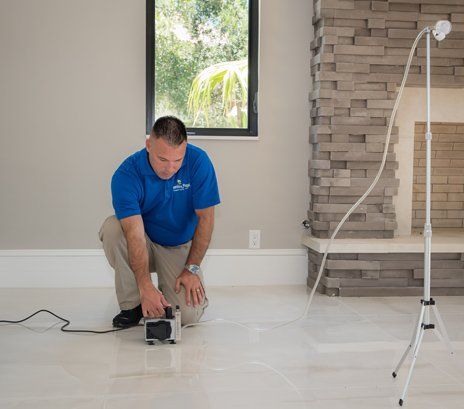
Residential Mold Inspections in West Cocoa: What Cocoa Area Property Owners Should Know
Residential mold inspections in West Cocoa are one of the most effective ways for homeowners to understand what’s really happening inside their homes. In Brevard County, mold issues often develop quietly due to humidity, AC use, rain, and hidden moisture—not dramatic floods or obvious disasters. By the time mold becomes visible, it has usually been growing for some time.
Homes in West Cocoa face a mix of coastal influence, inland humidity, slab foundations, and heavy air-conditioning use. These conditions make mold inspections especially important, not just when there’s a visible problem, but when something feels “off” inside the home. A proper residential mold inspection focuses on finding moisture conditions, not just pointing out surface mold.
Why Mold Inspections Matter for Homes in West Cocoa
Many homeowners assume mold inspections are only needed when mold is visible. In reality, most residential mold problems in West Cocoa are hidden.
Mold inspections matter because they help identify:
- Moisture problems behind walls or ceilings
- Elevated indoor humidity
- AC and duct-related condensation
- Past water damage that never fully dried
Florida homes often look fine on the surface while mold develops quietly in enclosed areas.
How Residential Mold Differs From Commercial Mold
Residential mold inspections are more focused and personal than commercial inspections, but the principles are the same.
Key differences in homes include:
- Smaller HVAC systems that run frequently
- Slab foundations that trap moisture
- Bedrooms, closets, and living spaces being affected directly
- Greater impact on comfort and daily living
Because people spend more time at home, mold issues are often noticed through odors, air quality changes, or recurring moisture—not visible growth.
Common Reasons Homeowners Request Mold Inspections
Homeowners in West Cocoa often request mold inspections for reasons such as:
- Musty or earthy odors
- Past roof or plumbing leaks
- Recent water damage or storms
- Buying or selling a home
- AC condensation issues
- Concerns about indoor air quality
In many cases, inspections are preventative, helping homeowners understand conditions before problems worsen.
What a Residential Mold Inspection Actually Looks For
A professional mold inspection is not just a visual walk-through.
The inspection focuses on:
- Moisture intrusion and retention
- Areas where humidity builds up
- Condensation patterns
- Hidden water damage
- Conditions that allow mold to grow
Finding mold is important, but identifying why it’s there is the real goal.
Visual Inspection of Living Areas
The inspection usually begins with a detailed visual assessment of the home.
This includes:
- Walls and ceilings
- Baseboards and flooring edges
- Bathrooms and kitchens
- Closets and storage areas
Inspectors look for staining, bubbling paint, discoloration, or signs of moisture exposure.
Attics Are a Major Focus in West Cocoa Homes
Attics are one of the most common places mold is found in Florida homes.
Attic inspections look for:
- Mold on roof decking
- Moist insulation
- Poor ventilation
- Heat and humidity buildup
Because attics are rarely visited, mold can grow there unnoticed for long periods.
AC Systems and Ductwork Are Closely Examined
Air conditioning systems play a major role in residential mold issues.
Inspections focus on:
- Condensation near vents
- Air handler moisture
- Drain pan and drain line condition
- Duct insulation
AC systems that cool without removing enough moisture often contribute to mold growth.
Moisture Detection and Measurement
Moisture detection tools are used to check building materials that may appear dry.
This helps identify:
- Damp drywall
- Moist flooring or subflooring
- Hidden moisture behind surfaces
Moisture readings help distinguish active problems from old, dried damage.
Bathrooms and Kitchens Are High-Risk Areas
Bathrooms and kitchens introduce regular moisture into the home.
Inspections look for:
- Poor ventilation
- Leaks under sinks
- Moist cabinets
- Shower or tub moisture issues
Even small, repeated moisture exposure can support mold growth over time.
Closets and Bedrooms Often Show Early Signs
Closets and bedrooms are common mold locations in West Cocoa homes.
These areas are vulnerable because:
- Airflow is limited
- Exterior walls stay cooler
- Humidity becomes trapped
Musty smells in closets are often one of the first warning signs homeowners notice.
Slab Foundations and Moisture Migration
Many West Cocoa homes are built on slab foundations.
Moisture can:
- Move upward through concrete
- Affect flooring and baseboards
- Create mold conditions near ground level
These issues often develop slowly and are easy to miss without inspection.
When Air or Surface Sampling Is Used
Sampling is not always required, but it may be recommended in certain situations.
Sampling may be helpful when:
- Mold is suspected but not visible
- Odors persist without a clear source
- Documentation is needed for a real estate transaction
Samples are analyzed by independent laboratories and interpreted alongside inspection findings.
Understanding Lab Results at a High Level
Lab results are tools, not diagnoses.
They help:
- Confirm mold presence
- Compare indoor and outdoor air
- Support inspection conclusions
Results must always be interpreted in context with building conditions.
Why DIY Mold Inspections Often Miss the Problem
DIY inspections usually focus on visible mold, which is rarely the full story.
DIY efforts fail because:
- Mold is often hidden
- Moisture conditions are misunderstood
- AC-related issues are overlooked
Without proper tools and experience, important clues are easily missed.
What a Mold Inspection Does Not Do
A mold inspection is not remediation.
It does not:
- Remove mold
- Repair leaks
- Clean contaminated materials
Instead, it provides clear information so the right next steps can be taken.
How Inspection Results Help Homeowners
Residential mold inspection results help homeowners:
- Decide if remediation is necessary
- Prioritize repairs
- Prevent future mold growth
- Make informed buying or selling decisions
Clear information reduces guesswork and unnecessary work.
Mold Inspections During Home Sales
Mold inspections are common during real estate transactions in West Cocoa.
They help:
- Identify hidden issues early
- Avoid last-minute surprises
- Support negotiations with clear documentation
Homes with well-documented conditions are easier to manage during sales.
Why Local West Cocoa Experience Matters
Mold behavior varies by location. West Cocoa homes have specific moisture patterns influenced by:
- Climate
- Construction styles
- AC usage habits
Local professionals understand where mold typically starts in these homes and how moisture behaves in this area.
The Value of a Calm, Educational Approach
Mold inspections should be informative, not alarming.
A knowledgeable local provider like Cocoa Mold Removal focuses on:
- Explaining findings clearly
- Identifying root causes
- Avoiding unnecessary escalation
- Supporting long-term home health
This approach helps homeowners make confident decisions.
When to Schedule a Residential Mold Inspection
Residential mold inspections are most useful:
- When odors persist
- After water damage or leaks
- Before buying or selling
- When humidity feels high indoors
- When mold keeps returning
Early inspections often prevent larger problems later.
Preventing Mold After an Inspection
Inspection findings often lead to simple prevention steps such as:
- Adjusting AC operation
- Improving ventilation
- Repairing minor leaks
- Monitoring indoor humidity
Prevention is always easier than remediation.
A Practical Takeaway for Homeowners
Residential mold inspections in West Cocoa are about understanding moisture, not just finding mold. Most mold problems develop slowly due to humidity, condensation, and hidden water exposure—not obvious disasters.
A professional inspection provides clarity, protects property value, and helps homeowners take the right steps at the right time. When performed by someone familiar with West Cocoa homes and Florida’s climate, mold inspections become a preventive tool instead of a reaction to a crisis.
For homeowners who want clear answers rather than assumptions, a knowledgeable local provider like Cocoa Mold Removal can evaluate residential properties thoroughly, explain findings clearly, and help guide next steps—keeping West Cocoa homes dry, comfortable, and easier to maintain over the long term.