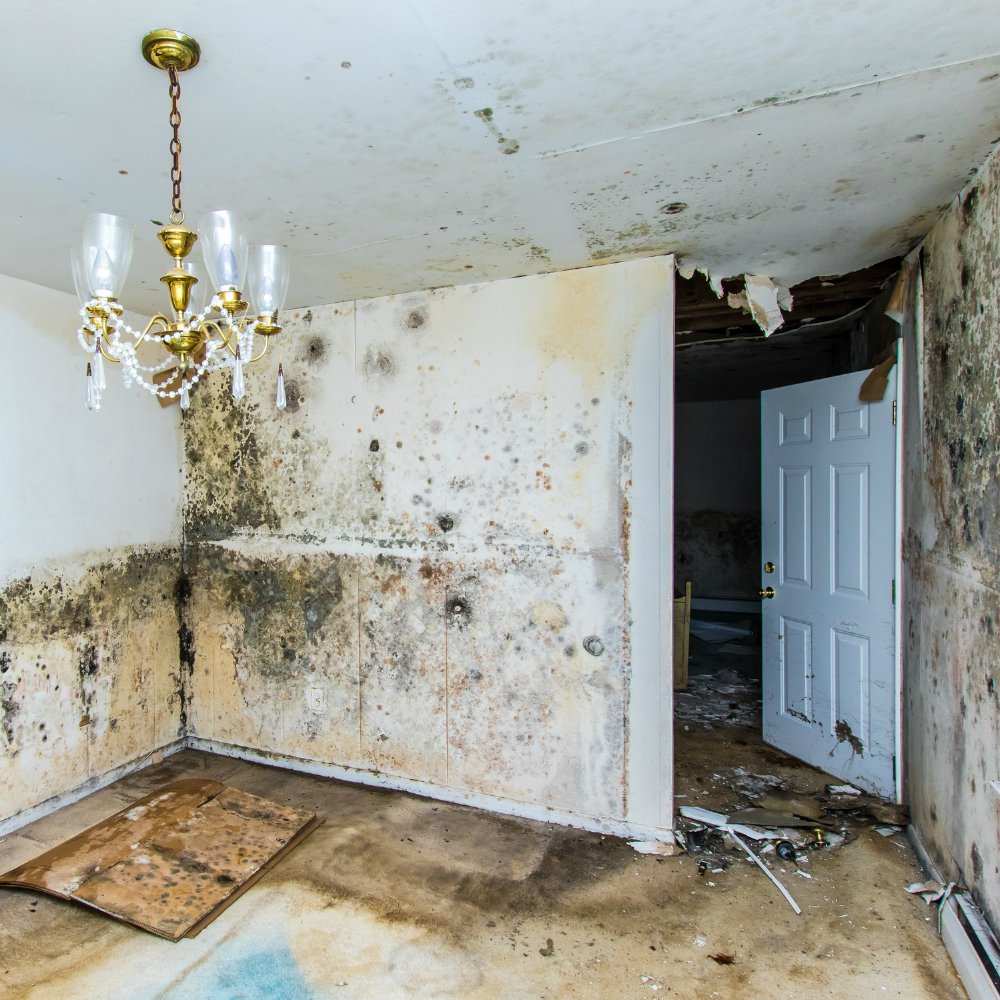
Mold After Water Damage in Sharpes: What Cocoa Area Property Owners Should Know
Water damage is one of the most common triggers for mold problems in Sharpes, but it’s also one of the most misunderstood. Many property owners assume that once visible water is cleaned up and surfaces dry, the issue is over. In Brevard County’s humid climate, that’s rarely the case. Mold often begins growing after the visible damage seems resolved, quietly developing behind walls, under flooring, or inside HVAC systems.
Across Sharpes, Cocoa, Cocoa Beach, West Cocoa, Port St. John, and Canaveral Groves, mold after water damage is a frequent issue—not because cleanup was ignored, but because moisture behaved differently than expected. Understanding how water damage leads to mold, where growth typically occurs, and why timing matters can help property owners avoid repeat problems and long-term frustration.
This article explains how mold develops after water damage in Sharpes, what property owners should watch for, and how to address the situation properly in Florida’s moisture-heavy environment.
Why Water Damage Leads to Mold So Easily in Sharpes
Sharpes properties face constant moisture pressure from both the environment and building design.
Local factors that increase mold risk after water damage include:
- High year-round humidity
- Frequent rain and storm activity
- Slab foundations common to the area
- Long cooling seasons with constant AC use
- Slow indoor drying conditions
When water enters a structure—whether from a leak, storm, or plumbing issue—it often doesn’t dry as completely or as quickly as it appears.
Mold Often Develops After Cleanup Is “Finished”
One of the biggest misconceptions is that mold appears immediately after water damage.
In reality, mold often develops:
- Days or weeks after cleanup
- Behind materials that felt dry on the surface
- Inside wall cavities or under flooring
- In areas where moisture lingered unnoticed
By the time mold becomes visible, it’s usually been growing quietly for some time.
Common Causes of Water Damage in Sharpes Homes
Water damage in Sharpes doesn’t always involve major flooding.
Common causes include:
- Roof leaks during heavy rain
- Plumbing leaks behind walls
- Appliance failures
- AC drain line clogs or overflows
- Window or door water intrusion
- Minor flooding after storms
Even small or slow leaks can provide enough moisture for mold to develop.
Where Mold Commonly Appears After Water Damage
Mold after water damage often develops in hidden or low-airflow areas.
Behind Drywall
Wall cavities trap moisture easily.
Mold often forms:
- Behind exterior walls
- Near plumbing lines
- Around previously wet insulation
Drywall may appear normal long before moisture fully clears.
Under Flooring
Flooring materials can trap moisture.
Mold may develop:
- Beneath tile or laminate
- Under carpet and padding
- Along baseboards
Odors are often the first sign of under-floor mold.
Attics
Water intrusion can affect attic spaces.
Mold may develop:
- After roof leaks
- From wind-driven rain
- Due to humid air entering from below
Attic mold often spreads without obvious ceiling stains.
HVAC Systems
HVAC systems are frequently affected after water events.
Mold may develop:
- Inside air handlers
- On wet insulation
- In drain pans or ductwork
Because HVAC systems circulate air, mold here can affect multiple rooms.
Cabinets and Vanities
Cabinet bases trap moisture.
Hidden mold often forms:
- Under kitchen sinks
- Behind bathroom vanities
- Around dishwashers and washing machines
These areas may remain damp long after cleanup.
Slab Foundations and Post-Water Damage Mold
Most Sharpes homes are built on slab foundations, which play a major role after water damage.
Slabs can:
- Absorb water from leaks or flooding
- Release moisture slowly back into the home
- Keep lower walls and flooring damp
Mold near baseboards after water damage is often tied to slab moisture rather than ongoing leaks.
Why Mold Often Returns After Water Damage
Property owners are often surprised when mold comes back.
This usually happens because:
- Moisture remained trapped in materials
- Drying focused only on visible areas
- Humidity remained elevated after cleanup
- HVAC systems were affected but not addressed
In Sharpes’ climate, moisture that isn’t fully controlled almost always leads to mold recurrence.
Why DIY Drying and Cleaning Often Falls Short
DIY cleanup can remove standing water, but it often misses deeper issues.
DIY efforts fail because:
- Moisture behind walls isn’t detected
- Porous materials stay damp internally
- Airflow isn’t sufficient for full drying
- Humidity control is overlooked
As a result, mold can grow even when surfaces feel dry.
Water Damage vs. Mold Remediation
Drying water damage and addressing mold are not the same thing.
Water damage cleanup focuses on:
- Removing standing water
- Drying accessible surfaces
Mold remediation focuses on:
- Identifying mold growth
- Removing contaminated materials
- Correcting moisture behavior
Both are often needed to fully resolve the problem.
Signs Mold May Be Developing After Water Damage
Even if mold isn’t visible, warning signs may appear.
Common signs include:
- Musty or earthy odors
- Discoloration near baseboards
- Soft or warped drywall
- Recurring humidity issues
- Mold reappearing in cleaned areas
These signs often point to moisture that never fully resolved.
When Professional Evaluation Is Important
After water damage, professional evaluation can prevent long-term issues.
Evaluation helps:
- Identify hidden moisture
- Locate early mold growth
- Assess HVAC involvement
- Determine whether materials need removal
Many Sharpes property owners work with experienced local providers like Cocoa Mold Removal because understanding Brevard County moisture behavior is critical after water events.
Mold Testing After Water Damage
Testing is not always required, but it can be helpful in some cases.
Testing may help when:
- Mold is suspected but not visible
- Multiple rooms were affected by water
- Documentation is needed
- There’s uncertainty about extent
Testing should always be interpreted alongside moisture findings.
How Mold After Water Damage Is Properly Addressed
Effective resolution focuses on both mold and moisture.
Proper remediation typically includes:
- Controlled containment
- Removal of mold-affected materials when needed
- Thorough cleaning of remaining surfaces
- Complete drying and humidity control
- Correction of the original water source
The goal is preventing future growth—not just cleaning up current mold.
Preventing Mold After Future Water Damage
While water damage can’t always be prevented, mold often can.
Helpful steps include:
- Addressing leaks immediately
- Drying affected areas thoroughly
- Monitoring humidity after cleanup
- Maintaining HVAC systems
- Inspecting previously wet areas periodically
Early action reduces long-term problems.
Why Local Experience Matters After Water Damage
Mold behavior after water damage is shaped by:
- Brevard County humidity cycles
- Slab foundation moisture movement
- Seasonal weather patterns
- Local construction styles
Local experience helps ensure moisture is truly resolved—not just hidden.
Documentation and Property Value
Proper documentation after water damage matters.
Records help:
- Track repairs and remediation
- Support future inspections
- Reduce real estate disputes
- Demonstrate responsible ownership
Clear documentation protects long-term property value.
A Practical Takeaway for Property Owners
Mold after water damage in Sharpes is not unusual—it’s a predictable outcome when moisture lingers in Florida’s humid environment. Mold often develops quietly after cleanup appears complete, especially behind walls, under flooring, and inside HVAC systems.
Property owners who focus on thorough drying, moisture control, and accurate evaluation are far more successful at preventing mold after water damage. In Sharpes and throughout the Cocoa area, addressing what happens after the water is gone is the key to long-term protection and peace of mind.