Mold in Waterfront Homes in Canaveral Groves: What Cocoa Area Property Owners Should Know
Owning a waterfront home in Canaveral Groves offers beautiful views, open space, and a peaceful setting—but it also comes with unique mold risks that inland homes don’t face to the same degree. Proximity to water changes how moisture behaves around and inside a home, and in Brevard County’s climate, that difference matters.
Many waterfront property owners are surprised to discover mold even when there have been no floods, no obvious leaks, and no visible water damage. In reality, mold in waterfront homes is often the result of constant moisture exposure, not one dramatic event. Understanding why mold is more common in these properties helps homeowners recognize risks early and protect both the home and its long-term value.
Why Waterfront Homes Face Higher Mold Risk
Waterfront homes in Canaveral Groves are exposed to moisture from multiple directions at once. It’s not just rain—it’s the environment itself.
Key factors include:
- Higher ambient humidity near water
- Moisture evaporation from canals, rivers, or wetlands
- Frequent morning dew and condensation
- Wind-driven moisture entering the home
- Slower drying after rain
Even when a home appears dry, moisture levels around and inside the structure are often higher than expected.
Humidity Is the Constant Mold Trigger
In Florida, humidity is the primary driver of mold growth. Waterfront homes experience even more persistent humidity due to nearby water sources.
This leads to:
- Drywall absorbing moisture from the air
- Wood framing staying slightly damp
- Closets and cabinets drying slowly
- Condensation forming on cooler surfaces
Mold does not need standing water. In waterfront homes, humidity alone is often enough to support growth.
Condensation Is More Common Near Water
Waterfront homes experience more condensation, especially in the early morning and late evening.
Condensation often forms:
- Around windows and sliding glass doors
- On metal fixtures and vents
- Inside wall cavities near exterior walls
- On HVAC ductwork
This repeated condensation creates a cycle of dampness that mold thrives on, even if surfaces appear dry during the day.
Salt Air and Moisture Penetration
In areas influenced by coastal air, salt can degrade seals, caulking, and protective coatings more quickly. This allows moisture to penetrate areas that would otherwise remain dry.
Over time, salt air can:
- Weaken window and door seals
- Compromise exterior wall barriers
- Increase moisture intrusion during storms
These small pathways allow moisture to enter and linger behind walls, creating ideal mold conditions.
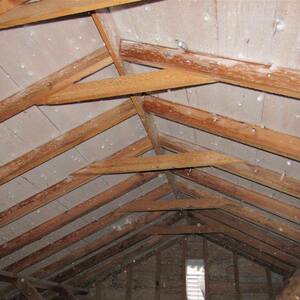
Attics Are a Major Mold Risk Area
Attics in waterfront homes often experience extreme humidity changes. Warm, moist air rises and enters attic spaces, especially when ventilation is limited.
Common attic mold contributors include:
- Humid outdoor air entering vents
- Poor airflow
- Temperature differences between attic and living space
- Roof assemblies holding moisture
Attic mold is common in Canaveral Groves waterfront homes and often goes unnoticed until inspections or odors draw attention.
HVAC Systems Work Harder Near Water
Air conditioning systems in waterfront homes often run longer and harder to control humidity. This increases condensation and moisture buildup.
HVAC-related mold risks include:
- Clogged or slow drain lines
- Overflowing drain pans
- Damp duct insulation
- Condensation near supply and return vents
When HVAC moisture issues go unnoticed, mold-related odors may spread throughout the home.
Slab Foundations and Moisture Migration
Many waterfront homes in Brevard County are built on slab foundations. After heavy rain or prolonged wet conditions, moisture in the soil can migrate upward through concrete.
This can cause:
- Damp flooring materials
- Moisture at baseboards
- Mold growth near lower walls
Because slab moisture moves slowly and invisibly, mold may develop under flooring long before any surface signs appear.
Windows and Sliding Doors Are Common Entry Points
Waterfront homes often feature large windows and sliding doors to take advantage of views. These areas are also common mold-risk zones.
Problems often develop due to:
- Condensation on glass and frames
- Worn seals
- Wind-driven rain
- Poor drainage around frames
Mold near windows is frequently mistaken for a cleaning issue when it’s actually moisture intrusion or condensation-related.
Closets and Enclosed Spaces Suffer Most
Interior closets, storage rooms, and cabinets often become mold hotspots in waterfront homes.
These areas:
- Have limited airflow
- Sit against exterior walls
- Trap humidity easily
Because they’re not opened daily, mold can grow unnoticed until odors develop or items stored inside are affected.
Mold Often Appears Without Visible Water Damage
One of the most confusing aspects of mold in waterfront homes is that it often appears without obvious water damage.
This happens because:
- Moisture levels stay consistently elevated
- Materials never fully dry
- Mold grows slowly behind surfaces
By the time mold is visible, it has usually been growing quietly for weeks or months.
DIY Mold Cleanup Rarely Works Long-Term
Waterfront homeowners often try cleaning visible mold, only to see it return.
DIY cleanup fails because:
- Moisture sources remain active
- Hidden mold is untouched
- Porous materials retain contamination
In waterfront environments, surface cleaning is almost always temporary.
Mold Odors Travel Easily in Waterfront Homes
Because of open layouts and constant air movement, mold-related odors spread quickly.
Musty smells often:
- Appear stronger in the morning
- Worsen when the AC runs
- Move between rooms
Odors are often the first sign of hidden mold in waterfront properties.
Storms Increase Mold Risk Even Without Flooding
Waterfront homes are more exposed during storms, even when flooding does not occur.
Storm-related risks include:
- Wind-driven rain entering small openings
- Elevated humidity after storms
- Temporary power outages reducing AC use
Mold often appears days or weeks after storms, not during them.
Mold Can Affect Property Value and Marketability
Mold concerns carry extra weight in waterfront properties because buyers already expect higher moisture exposure.
Unresolved mold can:
- Lower buyer confidence
- Trigger inspection concerns
- Lead to negotiation pressure
- Delay or derail sales
Properly addressed mold issues, however, often have minimal long-term impact when handled correctly and documented.
Why Professional Evaluation Matters for Waterfront Homes
Waterfront mold issues are rarely simple. Professional evaluation focuses on understanding how moisture behaves around the property.
A proper evaluation looks at:
- Humidity patterns
- Moisture intrusion points
- HVAC performance
- Hidden growth areas
Local providers like Cocoa Mold Removal understand how waterfront conditions in Canaveral Groves affect mold behavior and where problems typically start.
Prevention Is the Best Strategy for Waterfront Mold
Because moisture exposure is constant, prevention must be ongoing.
Effective prevention strategies include:
- Maintaining consistent AC operation
- Keeping indoor humidity controlled
- Inspecting windows and seals regularly
- Monitoring attics and closets
- Addressing odors early
- Avoiding extended vacancy without climate control
Consistency matters more than occasional fixes.
Waterfront Homes Require Ongoing Monitoring
Unlike inland homes, waterfront properties benefit from routine checks even when no problems are visible.
Regular monitoring helps:
- Catch moisture changes early
- Prevent hidden mold growth
- Reduce long-term repair costs
Waiting for visible mold often means waiting too long.
Why Local Experience in Canaveral Groves Matters
Mold behaves differently near water than it does inland. Professionals familiar with Canaveral Groves understand:
- How humidity behaves near waterways
- Where moisture enters waterfront homes
- Which areas are most vulnerable locally
This local knowledge leads to more accurate diagnosis and longer-lasting solutions.
A Practical Takeaway for Waterfront Property Owners
Mold in waterfront homes in Canaveral Groves is not a sign of poor maintenance—it’s a reflection of constant moisture exposure. The real risk comes from ignoring subtle signs like odors, condensation, or recurring dampness.
Understanding how humidity, airflow, and building materials interact near water allows homeowners to act early and prevent small issues from becoming major problems.
For property owners who want clarity instead of guesswork, a knowledgeable local provider like Cocoa Mold Removal can help evaluate moisture conditions, identify hidden risks, and guide practical next steps—keeping waterfront homes in Canaveral Groves dry, stable, and easier to protect over the long term.