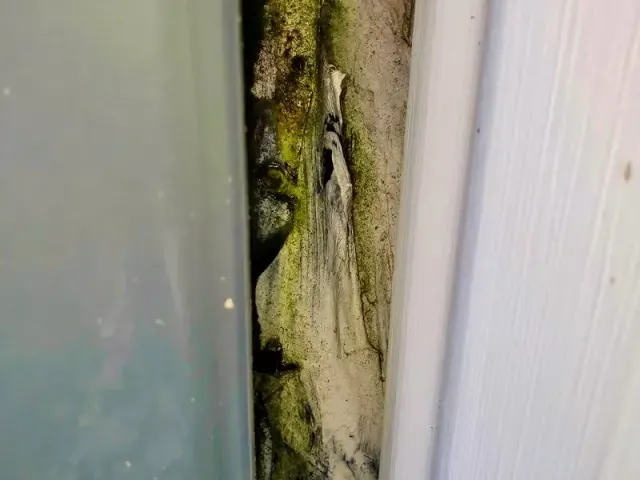
Coastal Humidity and Mold in Cocoa Beach: What Cocoa Area Property Owners Should Know
Living in Cocoa Beach offers beautiful ocean breezes, warm weather, and year-round coastal living. However, homeowners and property investors along Florida’s Space Coast quickly learn that coastal living also brings a constant battle against moisture. One of the most common consequences of this humidity is indoor mold growth.
Across Cocoa Beach and neighboring communities like Cocoa, West Cocoa, Port St. John, Sharpes, and Canaveral Groves, mold problems often develop because indoor moisture levels remain high even when homes appear well maintained. Many property owners are surprised to discover mold inside homes that look clean and well cared for.
Understanding how coastal humidity affects homes — and what property owners can do to manage moisture — helps prevent mold growth and protects both comfort and property value.
Why Coastal Humidity Is So High in Cocoa Beach
Humidity simply means moisture in the air. In coastal communities, air coming off the ocean carries more moisture than inland air. This creates naturally humid conditions throughout much of the year.
Several factors increase humidity levels locally:
- Constant ocean and river moisture exposure
- Warm temperatures that hold more water vapor
- Frequent summer storms
- Afternoon rain patterns
- Tropical weather systems
- Sea breezes carrying moist air inland
Even when skies are clear, outdoor humidity often remains high enough to affect indoor environments.
How Humidity Enters Homes
Many homeowners assume humidity only enters through open doors or windows. In reality, moisture can enter homes in several ways.
Common humidity entry points include:
- Opening doors and windows
- Gaps around doors and windows
- Roof or wall leaks after storms
- Attic ventilation openings
- Crawl spaces or slab foundations
- Air-conditioning duct leaks
- Everyday household activities
Cooking, showering, laundry, and even breathing add moisture indoors. When humidity is already high outside, indoor moisture levels can climb quickly.
Why Humidity Leads to Mold Growth
Mold spores exist naturally both outdoors and indoors. They usually remain harmless until they land on damp surfaces where they begin to grow.
Mold grows when three conditions exist:
- Moisture
- Organic material (drywall, wood, fabric, dust)
- Warm temperatures
Florida homes provide ideal temperatures year-round, and building materials supply food sources. When humidity or leaks add moisture, mold growth can begin quickly.
Because Cocoa Beach experiences constant humidity, homes must continuously manage moisture to prevent mold.
Areas Most Affected by Coastal Humidity
Humidity affects some parts of homes more than others. Mold growth often appears in areas with limited airflow or temperature differences.
Common problem areas include:
Around Air Conditioning Vents
Cool air meeting warm humid air sometimes creates condensation around vents.
Closets Along Exterior Walls
Closets receive little airflow and may stay cooler than surrounding rooms.
Attics With Poor Ventilation
Warm, humid attic air may remain trapped, creating moisture buildup.
Windows and Sliding Glass Doors
Condensation sometimes forms where warm air meets cool glass surfaces.
Bathrooms and Laundry Rooms
Steam and moisture accumulate if ventilation is poor.
Garages and Storage Rooms
These areas often lack climate control and airflow.
Because these spaces are not always closely monitored, mold sometimes develops unnoticed.
Signs Humidity Is Causing Mold Problems
Homeowners often notice warning signs before mold becomes widespread.
Common indicators include:
Musty Odors
A persistent damp smell often indicates hidden mold growth.
Visible Mold Spots
Dark or discolored patches may appear on walls, ceilings, or vents.
Ceiling or Wall Stains
Water stains sometimes signal past or ongoing moisture intrusion.
Peeling Paint or Bubbling Drywall
Moisture trapped behind surfaces causes finishes to deteriorate.
Damp Indoor Conditions
Homes may feel humid even when air conditioning is running.
Early attention to these signs helps prevent larger repairs.
Why Mold Problems Can Develop Quickly in Coastal Homes
Humidity slows drying after even small moisture events. A minor leak, condensation issue, or elevated humidity level may leave materials damp long enough for mold to grow.
Coastal homes face challenges because:
- Outdoor humidity remains high year-round
- Materials dry slowly
- Frequent storms introduce moisture
- Air conditioning systems run constantly
- Condensation occurs when systems malfunction
If moisture remains indoors for several days, mold growth becomes increasingly likely.
Why Cleaning Mold Alone Often Fails
Some homeowners clean visible mold themselves but later find the problem returns.
Common temporary fixes include:
- Cleaning mold spots without fixing humidity
- Painting over stains
- Using household cleaners only
- Ignoring hidden moisture problems
Unless moisture conditions are corrected, mold often comes back.
How Professional Mold Inspection Helps
Professional inspections help determine whether mold growth is limited or widespread and identify moisture sources.
A professional evaluation typically includes:
Visual Inspection
Inspection of attics, walls, HVAC systems, and moisture-prone areas.
Moisture Detection
Tools help locate hidden moisture behind walls or ceilings.
Air or Surface Sampling When Needed
Testing sometimes helps evaluate indoor conditions.
Identifying Moisture Sources
Professionals determine whether leaks or humidity problems exist.
Early inspection helps prevent more extensive damage later.
How Mold Remediation Addresses the Problem
When mold contamination is confirmed, remediation focuses on cleanup and moisture correction.
Typical remediation steps include:
- Containing affected areas
- Removing mold-damaged materials safely
- Cleaning surrounding surfaces
- Correcting leaks or condensation problems
- Thoroughly drying affected areas
Once moisture sources are corrected, mold usually stops returning.
Preventing Mold in Cocoa Beach Homes
Because coastal humidity cannot be eliminated, prevention focuses on moisture management.
Helpful prevention practices include:
- Maintaining air conditioning systems regularly
- Keeping indoor humidity below recommended levels
- Running exhaust fans during showers and cooking
- Repairing leaks immediately
- Keeping condensate drain lines clear
- Inspecting homes after storms
- Ensuring proper attic ventilation
- Maintaining airflow in closets and storage areas
- Using dehumidifiers where necessary
- Keeping gutters and drainage systems clear
Routine maintenance greatly reduces mold risks.
Why Local Mold Experience Matters
Homes throughout Cocoa Beach and surrounding Brevard County communities face moisture challenges unique to coastal Florida living.
Professionals familiar with local housing understand:
- Coastal humidity effects on homes
- Storm intrusion patterns common locally
- Slab foundation moisture behavior
- Attic ventilation challenges typical in the area
- AC condensation problems affecting homes
Local experience allows faster identification of moisture sources and practical solutions. Cocoa Mold Removal regularly assists homeowners across Cocoa Beach, Cocoa, West Cocoa, Port St. John, Sharpes, and Canaveral Groves, helping property owners keep homes dry and protected despite coastal humidity challenges.
What Property Owners Should Do If Mold Appears
If mold is discovered, quick action usually prevents larger repairs later.
A professional inspection can help determine:
- Whether mold growth is active
- Where moisture is entering
- Whether hidden contamination exists
- Whether remediation is needed
- How to prevent recurrence
Addressing moisture early protects both home comfort and value.
A Practical Next Step for Cocoa Beach Homeowners
Coastal living brings many benefits, but moisture control becomes part of everyday home maintenance. If musty odors or moisture concerns appear, professional evaluation can help clarify conditions and prevent mold from spreading.
Early action helps maintain comfort and long-term property condition.
A Calm Closing Thought for Homeowners
Humidity is simply part of living near the coast, but mold problems do not have to be. Most mold situations remain manageable when moisture issues are corrected early and homes are properly ventilated.
If mold concerns arise in your Cocoa Beach or Cocoa area home, addressing them promptly helps keep your property comfortable, protected, and enjoyable for years to come.
Taking action early almost always saves time and expense compared to waiting for problems to worsen.