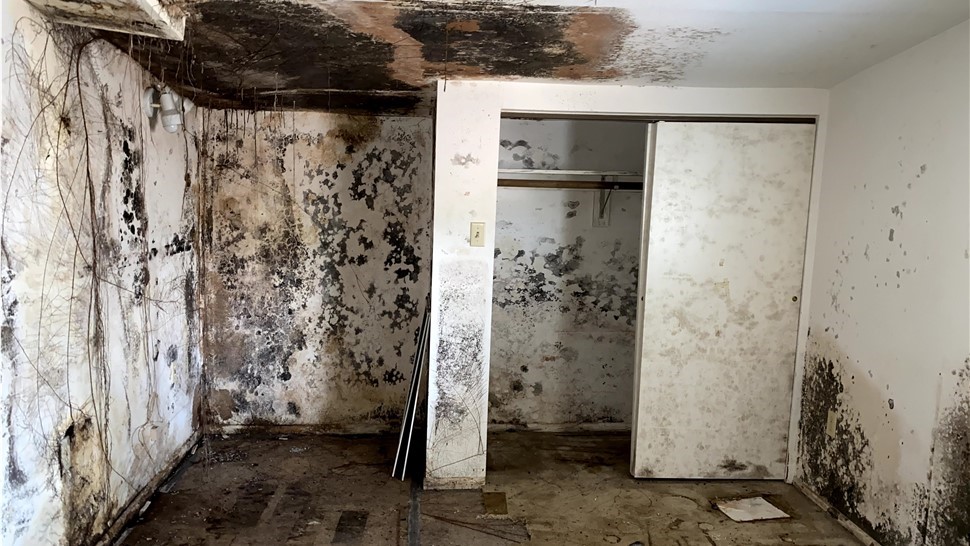
Mold in Florida Summers in West Cocoa: What Cocoa Area Property Owners Should Know
Summer in West Cocoa brings long days, intense heat, and heavy humidity. Afternoon downpours are common, AC systems run almost nonstop, and homes stay closed up to keep the cool air inside. While all of this is normal for Brevard County summers, it also creates perfect conditions for mold growth.
Many West Cocoa property owners don’t realize how quickly mold can develop during summer—or how often it starts without obvious flooding or leaks. In this climate, moisture doesn’t need much help. Understanding how Florida summers affect homes, where mold typically appears, and what signs to watch for can help prevent small moisture problems from turning into major mold issues.
Why Florida Summers Are Peak Mold Season in West Cocoa
Mold thrives in warm, damp environments, and West Cocoa summers provide exactly that.
Several summer-specific factors increase mold risk:
- Extremely high humidity levels day and night
- Frequent heavy rain and thunderstorms
- Warm temperatures that accelerate mold growth
- Constant AC use creating condensation
- Homes staying sealed for long periods
Even well-maintained homes can experience mold issues during summer simply due to environmental conditions.
How Summer Moisture Gets Inside Homes
One of the biggest misconceptions is that mold only appears after flooding. In West Cocoa, summer mold often starts without standing water.
Common moisture entry points include:
Wind-driven rain
Heavy summer storms can force rain into small gaps around windows, doors, and roof penetrations.
Attic heat and humidity
Hot, humid air enters attic spaces and condenses on cooler surfaces, especially during temperature swings.
AC condensation
Cold air from vents meets warm, humid air, leading to moisture buildup around ductwork and air handlers.
Slab foundations
Moisture can migrate upward from the ground into flooring and lower walls during prolonged rainy periods.
Everyday indoor activities
Showers, cooking, and laundry add moisture to indoor air that may not be removed efficiently in summer.
These sources often go unnoticed until mold becomes visible.
Where Mold Commonly Appears During Summer
Based on what’s commonly seen in West Cocoa homes, summer mold often develops in specific areas.
Attics
High heat combined with humidity makes attics one of the most common summer mold locations.
HVAC systems and vents
Condensation around coils, drain lines, and duct interiors can lead to mold that spreads through airflow.
Bathrooms and laundry rooms
Poor ventilation during humid weather allows moisture to linger.
Behind drywall
Exterior walls exposed to sun and rain can trap moisture inside wall cavities.
Under flooring
Laminate, vinyl, and carpet can hold moisture underneath after storms or humidity spikes.
In many cases, visible mold is just the surface sign of a larger moisture issue.
Early Signs of Summer Mold Problems
Summer mold doesn’t always announce itself clearly. Early signs are often subtle but consistent.
Property owners in West Cocoa commonly notice:
- Musty odors that worsen in the afternoon
- Condensation forming on vents or windows
- Peeling paint or bubbling drywall
- Discoloration near ceilings or exterior walls
- Indoor air feeling heavy or damp
- Allergy-like symptoms indoors
These signs often intensify during extended periods of heat and rain.
Why Mold Often Spreads Faster in Summer
Summer conditions allow mold to grow and spread quickly once moisture is present.
This happens because:
- Warm temperatures speed up mold reproduction
- High humidity prevents materials from drying
- AC systems can distribute spores through ductwork
- Homes remain closed, trapping moisture indoors
What starts as a small hidden issue in early summer can become a widespread problem by late summer if not addressed.
Why DIY Summer Mold Cleanup Rarely Works
Many homeowners try to manage summer mold themselves, especially when it appears minor.
DIY cleanup often fails because:
- Bleach doesn’t remove mold roots in porous materials
- Surface cleaning ignores hidden moisture
- AC systems may remain contaminated
- Condensation and humidity patterns aren’t corrected
In West Cocoa’s summer climate, mold usually returns quickly if moisture control isn’t addressed.
How Professional Mold Inspections Help During Summer
A professional mold inspection during summer focuses on identifying moisture patterns that are easy to miss.
An inspection may include:
- Visual assessment of high-risk summer areas
- Moisture detection inside walls, ceilings, and floors
- HVAC system and ductwork evaluation
- Attic inspection for heat and humidity buildup
- Targeted air or surface sampling when appropriate
When lab analysis is used, it helps confirm whether mold growth is active and spreading indoors.
Proper Mold Removal in Peak Summer Conditions
Effective mold remediation in summer requires careful control of both mold and moisture.
A proper process typically includes:
- Containment to prevent spore spread
- Safe removal of contaminated materials
- Cleaning of non-porous surfaces
- Correcting moisture sources tied to humidity or leaks
- Improving ventilation and airflow
- Verifying dryness before repairs
The goal is long-term prevention, not temporary relief.
Preventing Mold During West Cocoa Summers
While Florida summers can’t be changed, mold risk can be reduced with proactive steps.
Helpful summer prevention tips include:
- Monitoring indoor humidity levels
- Running bathroom and kitchen exhaust fans consistently
- Scheduling regular AC maintenance
- Keeping AC drain lines clear
- Checking attics after extended heat and rain
- Inspecting windows, doors, and exterior walls
- Avoiding blocking airflow in closets and storage rooms
Addressing moisture early in the summer often prevents bigger problems later.
Older vs. Newer Homes and Summer Mold Risk
Both older and newer West Cocoa homes face summer mold issues—but for different reasons.
Older homes may have:
- Aging seals and roofing
- Less efficient ventilation
- Materials that absorb moisture easily
Newer homes are often tightly sealed, which can trap humidity indoors if ventilation isn’t balanced.
Understanding your home’s design helps guide effective summer prevention.
Why Local West Cocoa Experience Matters
Mold behavior during Florida summers is shaped by local climate and construction.
Professionals familiar with West Cocoa understand:
- Typical summer storm patterns
- How slab foundations respond to moisture
- Common attic and HVAC issues
- How humidity affects drying times
Cocoa Mold Removal works with summer mold issues throughout West Cocoa and surrounding Brevard County communities, providing guidance based on real local conditions—not generic assumptions.
A Calm, Practical Next Step for Property Owners
Summer mold problems are common in West Cocoa—but they don’t have to be overwhelming.
If you’re noticing recurring moisture, musty odors, or visible mold during the summer months, a professional evaluation can help identify the cause before it spreads further. Not every situation requires remediation, but early insight often prevents costly repairs later.