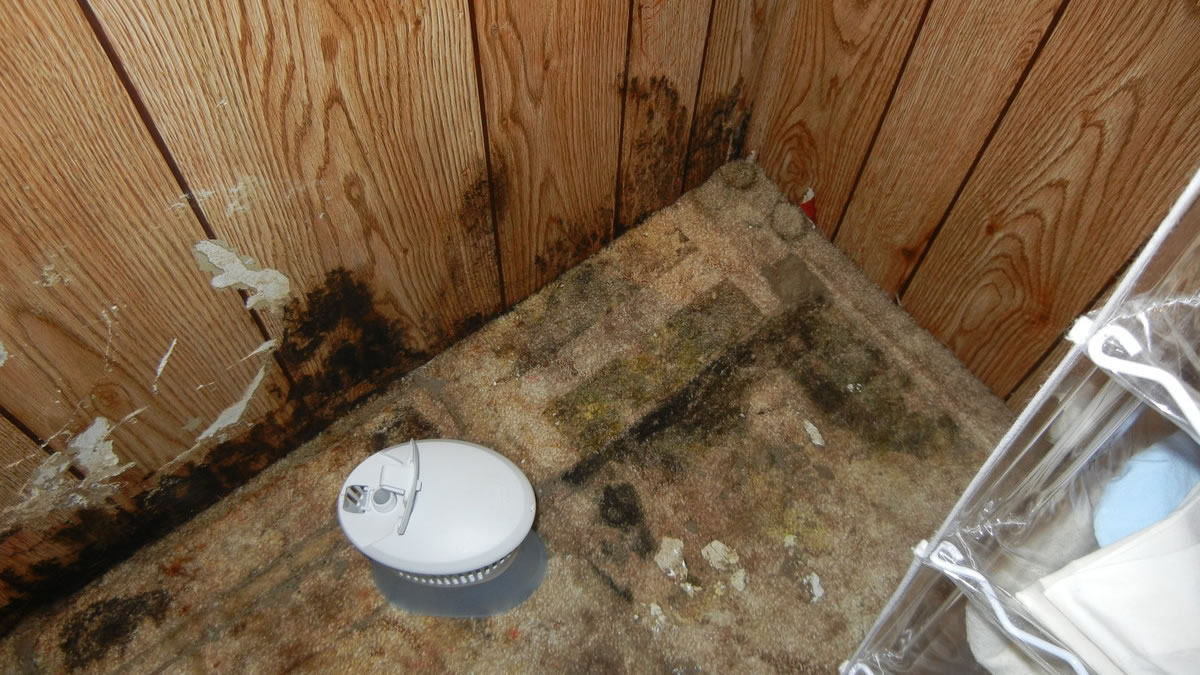
Mold in Mobile Homes in Cocoa: What Cocoa Area Property Owners Should Know
Mobile and manufactured homes are an important part of housing throughout Cocoa and surrounding Brevard County communities. Many residents in Cocoa, West Cocoa, Port St. John, Sharpes, and Canaveral Groves live in mobile homes because they offer affordability and flexibility in Florida’s growing housing market.
However, mobile homes face unique moisture challenges in Florida’s coastal climate. High humidity, heavy rains, storms, and continuous air-conditioning use can allow mold to develop faster if moisture problems are not addressed early.
Many property owners don’t realize mold is forming until odors appear or damage becomes visible. Understanding how mold affects mobile homes helps Cocoa-area residents catch problems early and keep homes safe and comfortable.
Why Mobile Homes Are Vulnerable to Mold Problems
Mold itself is common outdoors across Florida, but problems occur when mold begins growing inside homes due to moisture.
Mobile homes can sometimes be more susceptible to moisture intrusion because of how they are constructed and installed. Common factors include:
- Elevated construction allowing moisture beneath homes
- Thinner wall and floor assemblies
- Older insulation systems
- Roofing systems exposed to storms and sun
- Ventilation limitations
- AC systems working constantly in humid climates
When moisture enters and remains trapped, mold can begin growing on flooring materials, wall panels, insulation, or framing.
Why Cocoa Area Conditions Increase Mold Risk in Mobile Homes
Homes throughout Cocoa and nearby communities face climate conditions that naturally encourage mold growth.
Constant Humidity
Humidity remains high most of the year, especially near the coast. Moisture easily enters homes if ventilation and cooling systems are not functioning well.
Frequent Storms and Heavy Rain
Summer storms and hurricane season bring heavy rain and wind. Roof or siding leaks sometimes allow water intrusion.
Ground Moisture Under Homes
Mobile homes are typically elevated, and moisture beneath the structure can accumulate if drainage is poor.
Continuous Air Conditioning Use
AC systems remove humidity but can also create condensation problems if not maintained properly.
Because these conditions are normal locally, mobile home owners must pay extra attention to moisture control.
Common Signs Mold May Be Present in Mobile Homes
Mold problems often develop quietly, and homeowners may not notice issues right away.
Common warning signs include:
Persistent Musty Odors
A damp smell inside the home often signals hidden mold growth.
Mold Spots on Walls or Ceilings
Dark spotting sometimes appears around vents, windows, or wall seams.
Soft or Warped Flooring
Moisture under flooring materials can cause swelling or sagging.
Water Stains on Ceilings
Roof leaks may leave stains that indicate moisture intrusion.
Increased Indoor Humidity
Rooms may feel damp even when air conditioning is operating.
These warning signs often mean moisture has been present longer than expected.
Where Mold Often Hides in Mobile Homes
In Cocoa-area mobile homes, mold frequently grows in areas that homeowners do not regularly inspect.
Common hidden mold locations include:
- Under flooring materials
- Inside wall cavities
- Beneath kitchen or bathroom cabinets
- Around plumbing penetrations
- Inside roof cavities
- Under insulation beneath the home
- Around HVAC ducts or air handlers
Because these spaces are concealed, mold growth may spread without being noticed.
Common Causes of Mold in Cocoa Mobile Homes
Several moisture sources commonly lead to mold problems locally.
Roof Leaks
Roof damage from storms or aging materials can allow water inside ceilings.
Plumbing Leaks
Leaking pipes under sinks or bathrooms can soak flooring and walls.
AC Condensation
Air conditioning units sometimes produce excess moisture if drain lines clog.
Ground Moisture
Poor drainage beneath homes may allow moisture to rise into flooring materials.
Poor Ventilation
Bathrooms and kitchens without proper exhaust fans trap moisture indoors.
These moisture sources often combine, creating conditions where mold can grow quickly.
Why DIY Mold Cleanup Often Doesn’t Work
When homeowners notice mold, they often try to clean it themselves. While minor surface mold can sometimes be cleaned, deeper problems are often missed.
Common DIY mistakes include:
- Cleaning visible mold without fixing moisture sources
- Painting over mold-damaged areas
- Using bleach on porous materials
- Ignoring mold under flooring or inside walls
- Not drying affected materials completely
If moisture remains, mold typically returns.
How Professional Mold Inspections Help Mobile Home Owners
When mold is suspected, professional inspections help determine how extensive the problem may be.
A typical inspection includes:
Visual Inspection
Inspectors check moisture-prone areas such as kitchens, bathrooms, roofs, and HVAC systems.
Moisture Detection Tools
Equipment helps identify hidden moisture behind walls or under flooring.
Air or Surface Sampling When Needed
Testing may help determine whether mold levels are elevated indoors.
Laboratory Analysis
In certain situations, lab analysis clarifies mold presence.
Inspections help homeowners understand whether remediation is needed.
How Mold Remediation Works in Mobile Homes
Professional remediation focuses on removing contamination and correcting moisture sources.
Typical remediation steps include:
- Containing affected areas
- Removing mold-damaged materials safely
- Cleaning surrounding surfaces
- Correcting moisture problems
- Thorough drying of affected areas
Addressing both mold and moisture helps prevent recurrence.
Preventing Mold in Cocoa Mobile Homes
Because humidity and storms are part of life in Brevard County, prevention requires regular maintenance.
Helpful prevention practices include:
- Inspecting roofs after storms
- Repairing plumbing leaks quickly
- Ensuring good drainage beneath homes
- Maintaining AC systems regularly
- Using exhaust fans in kitchens and bathrooms
- Checking under sinks and appliances periodically
- Keeping vents clear for airflow
- Running dehumidifiers if needed
- Maintaining climate control even when away
Small preventive steps often stop mold before it becomes serious.
Why Local Mold Experience Matters
Mobile homes in Cocoa and nearby communities experience environmental pressures specific to coastal Florida.
Professionals familiar with Brevard County housing understand:
- Coastal humidity effects on mobile homes
- Storm damage patterns common locally
- Ground moisture challenges under elevated homes
- Ventilation issues typical in manufactured housing
- AC condensation problems affecting local homes
Local knowledge helps identify moisture sources quickly and apply solutions that work long term. Cocoa Mold Removal regularly assists homeowners throughout Cocoa, West Cocoa, Port St. John, Sharpes, and Canaveral Groves, helping property owners address mold concerns common in mobile homes across the area.
What Property Owners Should Do If Mold Is Suspected
If you notice musty odors, flooring changes, or visible mold spots, investigating early usually prevents larger repairs.
A professional inspection can help determine:
- Whether mold growth is present
- Where moisture is entering
- How extensive damage may be
- Whether remediation is needed
Addressing moisture quickly reduces the risk of mold spreading.
A Calm, Practical Next Step
Mobile homes are common throughout Cocoa and provide affordable housing for many residents, but Florida’s climate requires careful moisture management. Most mold problems are manageable when caught early.
If you suspect mold or moisture issues in your mobile home, having the property evaluated can provide clarity and help keep your home comfortable and protected long-term.
Taking action early almost always prevents more complicated and costly repairs later.