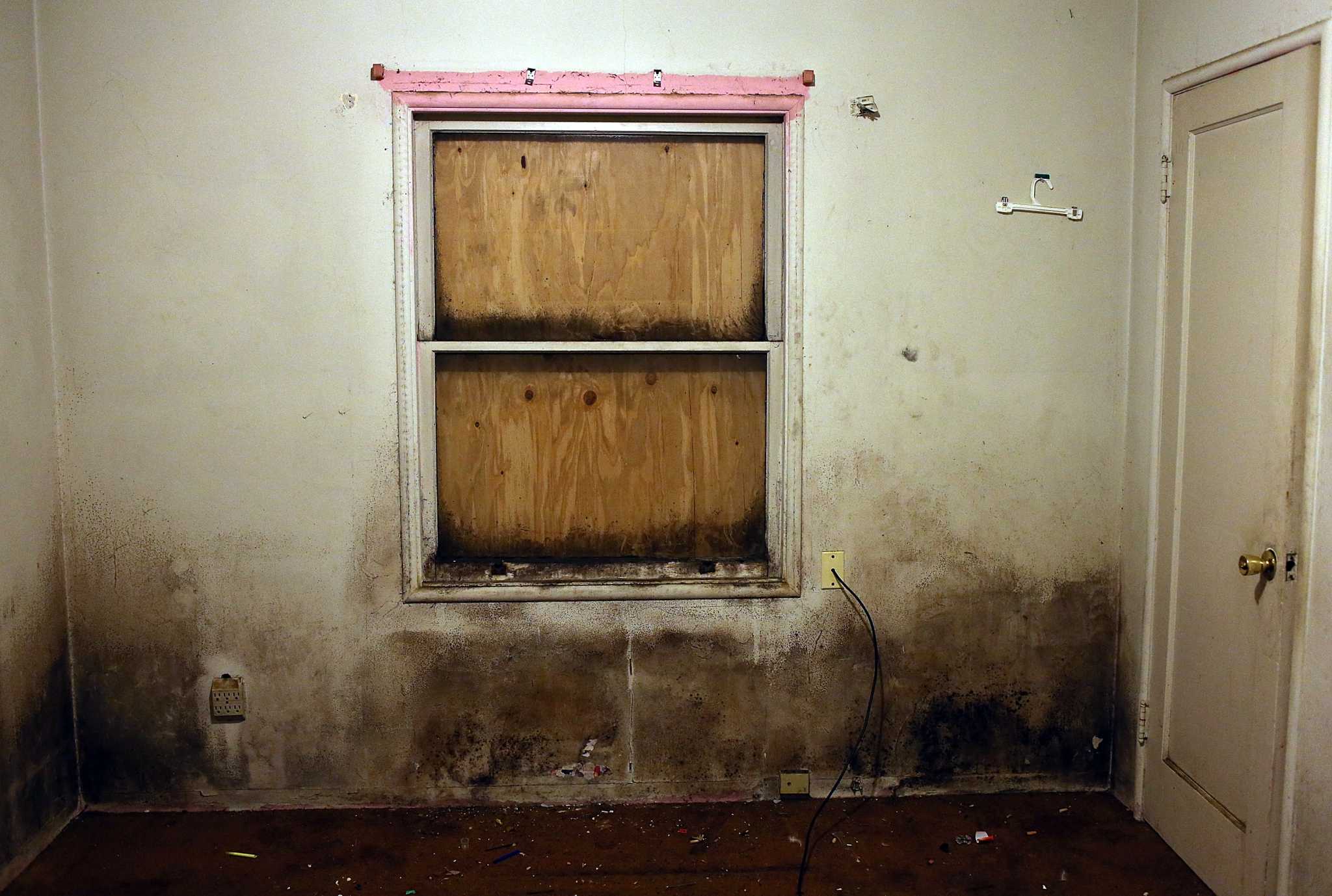
Mold in Mobile Homes in Canaveral Groves: What Cocoa Area Property Owners Should Know
Mobile homes are a common housing option in Canaveral Groves and throughout Brevard County. They are affordable, flexible, and well suited for Florida living—but they also come with unique mold risks that many property owners don’t fully understand until problems appear. Mold in mobile homes behaves differently than in traditional block or slab houses, and Florida’s climate amplifies those differences.
In Canaveral Groves, mold issues in mobile homes are usually not caused by one single event. Instead, they develop gradually due to humidity, condensation, plumbing leaks, roof issues, and airflow limitations. Understanding why mobile homes are more vulnerable to mold, where mold typically develops, and how it should be addressed helps property owners avoid repeated issues and protect their homes.
Why Mobile Homes Are More Vulnerable to Mold in Florida
Mobile homes are built differently than site-built homes. Their construction materials, framing systems, and insulation types are lighter and thinner, which makes them more sensitive to moisture.
In Canaveral Groves, high humidity is present most of the year. Moist air easily enters mobile homes through doors, windows, vents, and under-floor openings. Once moisture gets inside, it does not dry out as easily as it might in heavier concrete or block construction.
Many mobile homes also have limited ventilation and smaller HVAC systems, which can make humidity control more difficult. When moisture lingers, mold has the opportunity to grow—even without obvious leaks.
Under-Floor Moisture and Mold in Mobile Homes
One of the biggest mold risks in mobile homes is moisture beneath the floor. Unlike slab homes, mobile homes are typically elevated and sit over soil, sand, or concrete pads. This creates an enclosed underbelly area where moisture can accumulate.
Ground moisture, rainwater, and high humidity can enter the crawl space or underbelly. If vapor barriers are damaged or missing, moisture rises into the subfloor and flooring materials.
Mold often develops:
- On the underside of subflooring
- Inside insulation beneath the home
- Along floor joists
- Near plumbing penetrations
Because these areas are hidden, mold can grow for long periods without being noticed.
Plumbing Leaks in Mobile Homes
Plumbing leaks are another common mold source in mobile homes. Water supply and drain lines often run beneath the home or inside thin wall cavities.
Even a small leak can drip directly into insulation, subflooring, or the underbelly. Because these materials absorb moisture easily and have limited airflow, they stay damp for extended periods.
Signs of plumbing-related mold in mobile homes may include:
- Musty odors near bathrooms or kitchens
- Soft or sagging floors
- Warped cabinets
- Recurrent mold under sinks
Plumbing leaks in mobile homes are especially dangerous because water often spreads unnoticed beneath the structure.
Roof Leaks and Ceiling Mold
Roof leaks are a frequent issue in older and newer mobile homes alike. Mobile home roofs may be flat or low-slope, making them more vulnerable to pooling water, seam failures, and storm damage.
In Canaveral Groves, heavy rain and storms can force water through roof seams, vents, and flashing. Once moisture enters, it often spreads across ceiling cavities and insulation.
Mold from roof leaks commonly develops:
- Above ceiling panels
- On roof framing
- In insulation
- On the backside of ceiling materials
Ceiling stains, sagging panels, or peeling finishes are often late-stage signs.
Wall Cavities and Thin Construction Materials
Mobile home walls are thinner than those in traditional homes. This means moisture travels faster and affects materials more quickly.
When condensation, leaks, or humidity enter wall cavities, drywall panels, wood framing, and insulation can absorb moisture rapidly. Because wall cavities have limited airflow, drying is slow.
Mold behind walls often produces:
- Persistent musty odors
- Discoloration near baseboards or outlets
- Soft wall panels
- Mold that returns after cleaning
By the time surface signs appear, mold growth is often well established inside the wall system.
HVAC Systems and Condensation Issues
HVAC systems in mobile homes are often smaller and work harder to manage Florida heat and humidity. When systems are undersized, poorly maintained, or not properly balanced, they may cool air without removing enough moisture.
Condensation can build up inside air handlers, ductwork, and around vents. In Canaveral Groves’ humid environment, this moisture becomes a frequent mold source.
Common HVAC-related mold areas include:
- Inside air handlers
- Around supply vents
- On ceilings near duct runs
- Inside duct insulation
Mold odors that worsen when the AC runs often point to condensation-related issues.
High Indoor Humidity and Poor Airflow
Humidity control is one of the biggest challenges in mobile homes. Limited insulation, older windows, and air leaks allow humid air to enter easily.
When indoor humidity stays high, mold can grow even without leaks. Closets, bedrooms, and corners with poor airflow are especially vulnerable.
In Canaveral Groves, mobile homes left closed up without AC—even briefly—can develop moisture problems quickly.
Early Signs of Mold in Mobile Homes
Mold in mobile homes often shows up through subtle changes before visible growth appears.
Common early warning signs include:
- Musty or earthy odors
- Floors that feel soft or spongy
- Ceiling panels that sag or stain
- Condensation on windows or vents
- Mold that keeps returning in the same areas
Because mobile homes are more sensitive to moisture, these signs should never be ignored.
Why DIY Mold Cleanup Rarely Works in Mobile Homes
DIY mold cleanup typically focuses on visible mold. In mobile homes, most mold growth is hidden—under floors, behind walls, or inside insulation.
Surface cleaning does not remove:
- Mold beneath flooring
- Mold inside wall cavities
- Mold in underbelly insulation
- Mold inside HVAC components
DIY efforts often disturb mold without removing moisture, allowing spores to spread and mold to return quickly.
Mold Inspections for Mobile Homes
A proper mold inspection for a mobile home focuses heavily on moisture pathways. Inspectors look at:
- Under-floor conditions
- Plumbing lines and penetrations
- Roof and ceiling systems
- Wall moisture levels
- HVAC condensation and airflow
Moisture detection tools help identify damp materials that aren’t visible. This approach is essential for mobile homes, where hidden mold is far more common than surface growth.
Proper Mold Remediation in Mobile Homes
Effective remediation must address both mold and moisture sources. In mobile homes, this often requires accessing under-floor areas, wall cavities, or ceiling spaces.
Proper remediation may include:
- Containment to prevent spore spread
- Removal of contaminated flooring, insulation, or wall panels
- Thorough drying of affected areas
- Repair of leaks or condensation issues
- Improvements to ventilation and humidity control
Local providers like Cocoa Mold Removal understand how mobile homes are constructed and tailor remediation methods accordingly.
Preventing Mold in Mobile Homes in Canaveral Groves
Mold prevention in mobile homes starts with moisture management. Regularly checking under sinks, floors, and ceilings helps catch leaks early.
Additional prevention steps include:
- Maintaining consistent AC use
- Monitoring indoor humidity
- Ensuring proper ventilation
- Inspecting roofs and seams after storms
- Maintaining underbelly vapor barriers
- Avoiding long vacancy periods without climate control
Small moisture issues become big problems quickly in mobile homes if left unchecked.
Why Local Canaveral Groves Experience Matters
Mobile homes in Canaveral Groves face Florida-specific challenges such as humidity, storm exposure, sandy soil, and aging infrastructure. Local experience matters because mold behaves differently in mobile homes than in slab or block houses.
Professionals familiar with Brevard County understand where moisture typically enters mobile homes and how mold spreads within these structures. This knowledge leads to faster diagnosis and more effective, long-lasting solutions.
Property owners in Canaveral Groves, Cocoa, Cocoa Beach, West Cocoa, Port St. John, and Sharpes benefit from working with professionals who regularly inspect and remediate mold in mobile homes throughout the area.
A Practical, Realistic Outlook for Property Owners
Mold in mobile homes is common in Florida—but it is not inevitable. Most mold problems in Canaveral Groves mobile homes develop gradually, giving property owners time to act if early signs are recognized.
Ignoring odors, soft floors, or recurring moisture allows mold to spread beneath the surface. Addressing moisture sources early and avoiding surface-only fixes protects both the home and the health of the living space.
For property owners seeking clarity and long-term solutions, a knowledgeable local provider like Cocoa Mold Removal can help identify mobile-home-specific mold risks, evaluate hidden moisture, and guide proper remediation—keeping Canaveral Groves mobile homes dry, stable, and mold-resistant over time.