Mold Smell Issues in West Cocoa: What Cocoa Area Property Owners Should Know
A persistent moldy or musty smell is one of the most common complaints from property owners in West Cocoa—and one of the most misunderstood. Many homeowners notice the odor long before they ever see visible mold. Others try air fresheners, deep cleaning, or HVAC filter changes, only to find the smell keeps coming back.
In West Cocoa and across Brevard County, mold smells are rarely random. They are almost always a sign of hidden moisture and mold growth somewhere in the home. Because Florida’s climate allows moisture to linger, odors often develop quietly and spread before the source is identified. Understanding what mold smells mean, where they usually come from, and why they don’t go away on their own helps property owners address the issue correctly instead of chasing the smell around the house.
What a Mold Smell Really Indicates
A mold smell is not just an unpleasant odor—it’s a signal. That musty, earthy, or damp-basement smell is produced by microbial byproducts released as mold grows. These odors travel easily through air, wall cavities, and HVAC systems, which is why the smell may seem stronger in one room even though the source is somewhere else.
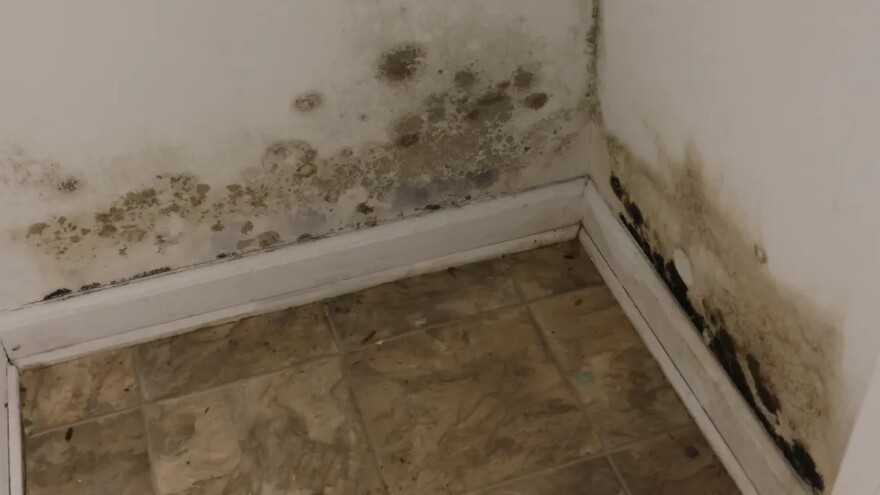
In West Cocoa homes, mold smells often appear before any visible damage because mold frequently grows behind walls, under flooring, or inside HVAC components. By the time mold is visible, the odor has usually been present for weeks or months.
A key point for property owners to understand is that mold smells do not come from “old air” or dust alone. When an odor persists or returns quickly, there is usually an active moisture and mold source feeding it.
Why Mold Smells Are So Common in West Cocoa Homes
West Cocoa homes are exposed to conditions that make mold odors more likely. High humidity is present most of the year, and moisture does not evaporate quickly. Even without leaks, humid air can settle into walls, floors, and furnishings.
Slab foundations, which are common in West Cocoa, can trap moisture beneath flooring. Plumbing lines often run through walls or under slabs, allowing slow leaks to go unnoticed. Air conditioning systems run frequently and create condensation that must be properly drained and managed.
Storms and heavy rain also play a role. Water can enter through roofs, windows, or exterior walls without causing immediate surface damage. That moisture may dry on the surface while remaining trapped behind materials—creating ideal conditions for mold growth and odor development.
Common Descriptions of Mold Smells
Property owners describe mold smells in different ways, but they tend to fall into a few categories. The most common description is a musty or earthy smell, similar to damp cardboard or wet soil. Others describe it as a stale, basement-like odor, even in homes without basements.
Some homeowners notice the smell is strongest when the house has been closed up, after rain, or when the air conditioning turns on. In other cases, the odor seems to come and go, making it harder to pinpoint.
Regardless of how it’s described, a mold-related odor that persists is almost always tied to moisture and hidden growth.
Where Mold Smells Usually Originate
One of the most frustrating aspects of mold smells is that the source is often hidden. In West Cocoa homes, common sources include wall cavities where plumbing lines run. A slow leak inside a wall can support mold growth without visible damage, allowing odors to escape through outlets, baseboards, or drywall seams.
Under-floor mold is another frequent source. Moisture trapped beneath tile, laminate, or vinyl flooring can support mold growth for long periods. Odors from under-floor mold often rise through gaps at baseboards or flooring edges.
HVAC systems are also a major contributor. Mold inside air handlers, drain pans, ductwork, or insulation can spread odors throughout the home whenever the system runs. In these cases, the smell may seem strongest near vents or when the AC cycles on.
Cabinets under sinks, laundry rooms, water heater closets, and attics with ventilation issues are additional common sources.
Why Mold Smells Often Move or Change Location
Many homeowners are confused when mold smells seem to move from room to room. This happens because odors travel with air movement. HVAC systems, pressure changes, and natural airflow can carry mold odors far from the original source.
For example, mold growing inside a wall cavity may release odors that travel upward, making the smell stronger in a second-floor room or hallway. Mold inside ductwork may cause odors to appear in different rooms depending on which vents are active.
This movement often leads homeowners to clean the wrong area repeatedly while the true source remains untouched.
Mold Smells After Storms or Power Outages
In West Cocoa, mold smells often become noticeable after storms or power outages. When air conditioning systems shut down, indoor humidity rises quickly. Even a short outage can allow moisture to build up in materials and HVAC components.
After power is restored, the AC may spread odors that developed during the outage. Property owners may assume the smell is temporary, but if moisture remains, mold growth can continue and odors can intensify over time.
Homes that experienced roof leaks, window intrusion, or exterior water exposure during storms are especially at risk for post-storm mold smells.
Why Cleaning and Air Fresheners Don’t Work
One of the biggest misconceptions about mold smells is that they can be eliminated with cleaning or deodorizing. While cleaning visible areas may reduce surface mold temporarily, it does not remove hidden mold or moisture.
Air fresheners, candles, and ozone machines may mask odors briefly, but they do not stop mold from producing new odor-causing compounds. Once the masking effect fades, the smell returns.
In some cases, adding moisture through aggressive cleaning actually worsens the problem by feeding mold growth. Odor persistence is a clear sign that the underlying issue has not been resolved.
Mold Smells Without Visible Mold
It is very common for West Cocoa homeowners to smell mold without seeing it. This does not mean the smell is imaginary or harmless. Hidden mold is far more common than visible mold in Florida homes.
Mold behind drywall, under flooring, inside insulation, or in HVAC systems can produce strong odors without leaving obvious surface clues. Because Florida homes are often finished with materials that hide damage well, visible signs may appear late.
Odors are often the first and most reliable indicator that something is wrong.
How Professionals Trace Mold Odor Sources
Locating the source of a mold smell requires more than sniffing around. Professional evaluations focus on moisture detection and building conditions.
Inspectors look for plumbing issues, condensation patterns, roof or window intrusion, and ventilation problems. Moisture detection tools help identify damp materials behind walls, under floors, or above ceilings.
HVAC systems are evaluated carefully, as they are a common odor pathway. In some cases, targeted openings may be needed to confirm mold presence in hidden areas.
Air or surface testing may be used selectively, but it is not the primary tool for locating odor sources. Understanding moisture behavior is far more important.
How Mold Smells Are Properly Eliminated
Eliminating mold smells requires addressing both the mold and the moisture that supports it. Odors will not stop until active mold growth is removed or neutralized and the environment is dried.
Proper remediation may involve removing contaminated materials, cleaning affected areas, and correcting moisture sources such as leaks, condensation, or ventilation issues. HVAC components may need cleaning or repair if they are involved.
Once moisture is controlled and mold growth is addressed, odors typically fade naturally rather than needing masking products. Local providers like Cocoa Mold Removal focus on this root-cause approach when addressing mold smell issues in West Cocoa and surrounding Brevard County communities.
When Mold Smells Should Not Be Ignored
Mold smells should always be taken seriously when they persist or return. In West Cocoa homes, ignoring odors often allows mold to spread into larger areas, increasing remediation complexity.
Odors that are strongest in certain rooms, appear after storms, or occur when the AC runs are especially important to investigate. Mold smells accompanied by material damage, condensation, or repeated moisture issues are strong indicators of hidden growth.
Early evaluation often prevents more invasive repairs later.
Preventing Mold Smells in West Cocoa Homes
Preventing mold odors starts with moisture control. Plumbing leaks should be repaired promptly, even if they seem minor. AC systems should be maintained to ensure proper drainage and humidity control.
Ventilation in bathrooms, kitchens, and laundry areas should be used consistently. Attics should be properly ventilated, and exhaust fans should vent outside—not into attic spaces.
During vacancy periods, maintaining climate control is critical. Homes left without AC in Florida can develop mold odors quickly, even without leaks.
Regularly checking under sinks, around HVAC equipment, and in hidden areas helps catch moisture issues early.
Why Local West Cocoa Experience Matters
Mold odor issues are heavily influenced by climate and construction. Local experience matters because West Cocoa homes face Florida-specific challenges such as slab foundations, high humidity, storm exposure, and constant AC use.
Professionals familiar with Brevard County understand where mold odors typically originate and how moisture behaves in local homes. This knowledge leads to faster diagnosis and more effective solutions.
Property owners in West Cocoa, Cocoa, Cocoa Beach, Port St. John, Sharpes, and Canaveral Groves benefit from working with professionals who regularly address mold odor issues in these exact conditions.
A Clear Path Forward for Property Owners
A mold smell is never just an odor problem—it’s a moisture problem. In West Cocoa homes, persistent musty smells almost always point to hidden mold growth that needs attention.
Masking odors or cleaning visible areas rarely solves the issue. Identifying and correcting the moisture source is the only reliable way to eliminate mold smells long-term.
For property owners who want clarity instead of guesswork, a knowledgeable local provider like Cocoa Mold Removal can help locate odor sources, address underlying moisture issues, and restore the home to a dry, stable condition—eliminating mold smells at their source rather than covering them up.